Error: Contact form not found.
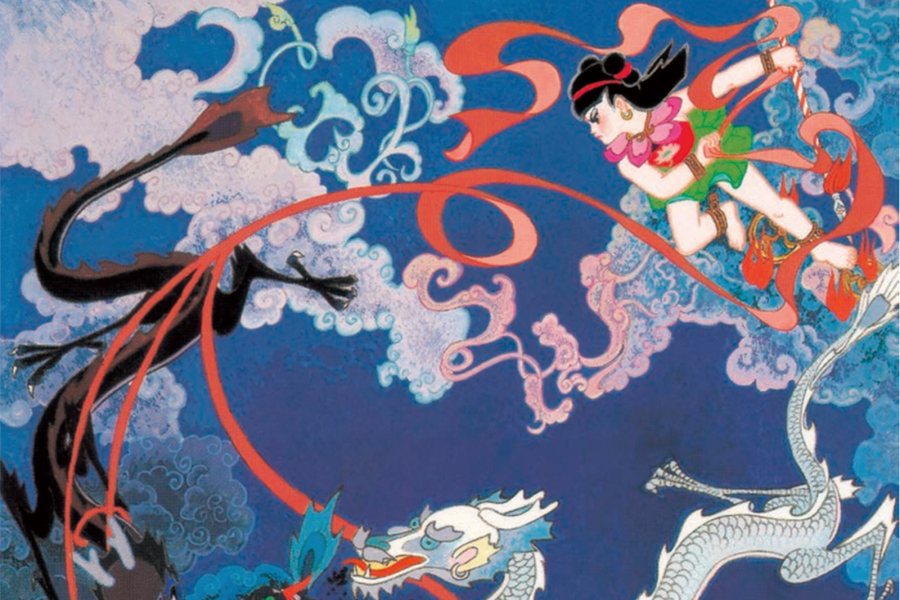
In recent years, Ne Zha has almost become synonymous with “Chinese anime.”
Animated films, trendy toys, collaborations, and adaptations keep emerging, but amidst the hype, one question persists:
Where did Ne Zha originally come from?
Sanseking’s choice to collaborate with Liaoning Publishing House to launch “Nezha Conquers the Sea” TCG merchandise is not merely a simple IP partnership, but an attempt to return to the source.
“Nezha Conquers the Sea” was never a lighthearted tale. In traditional mythology, Ne Zha was not a born hero.
In “Creation of the Gods” his stirring up the sea and slaying the Dragon Prince trigger a severe conflict of disorder, ultimately resolved at the cost of “returning bones to his father and flesh to his mother.” This is not a straightforward victory, but an extreme choice made by a youth in rebellion.
Precisely because of this, Ne Zha holds an extremely unique position in the Chinese mythological system—
He is not one who fulfills destiny, but one who questions it.
And the phrase “Nezha Conquers the Sea” itself carries distinct cultural connotations:
It is not about waging war or conquest, but about breaking an order that is tacitly accepted and habitual.
In Chinese culture, the “sea” has never been merely a natural landscape.
It has often symbolized:
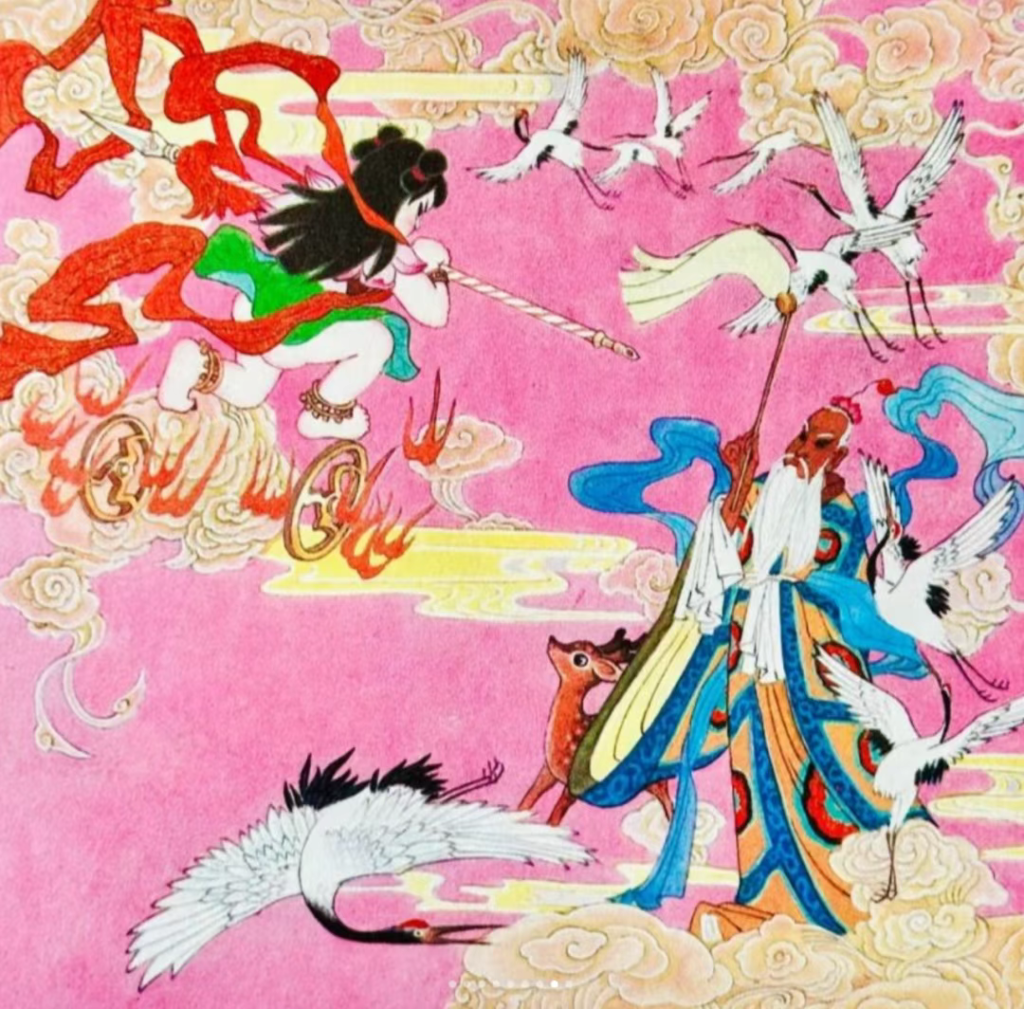
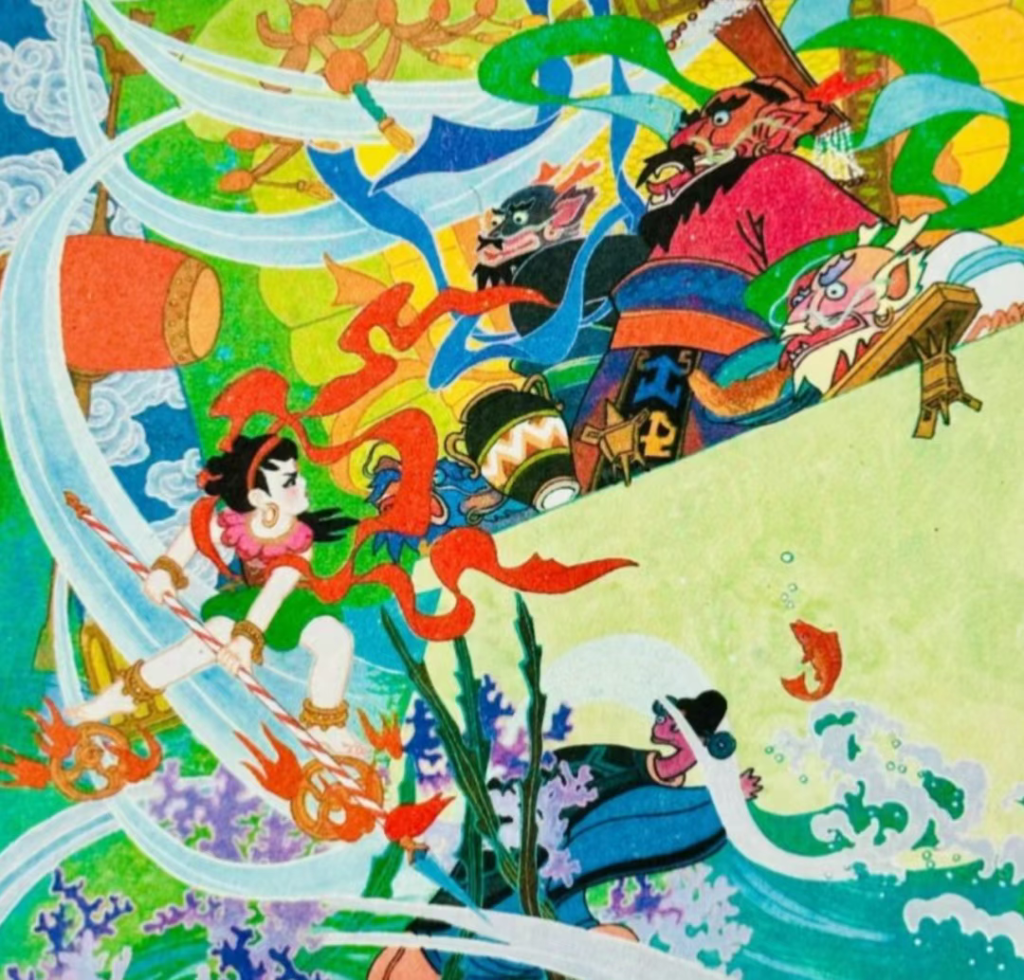
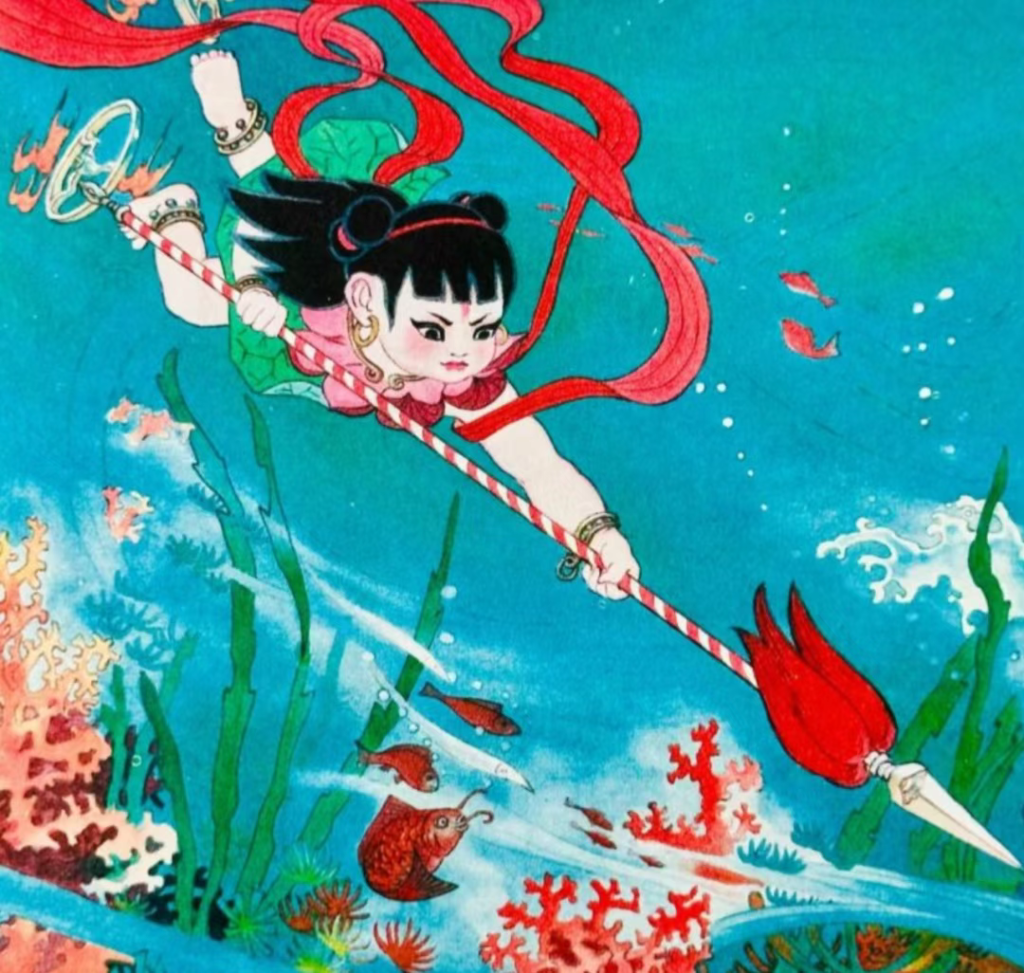
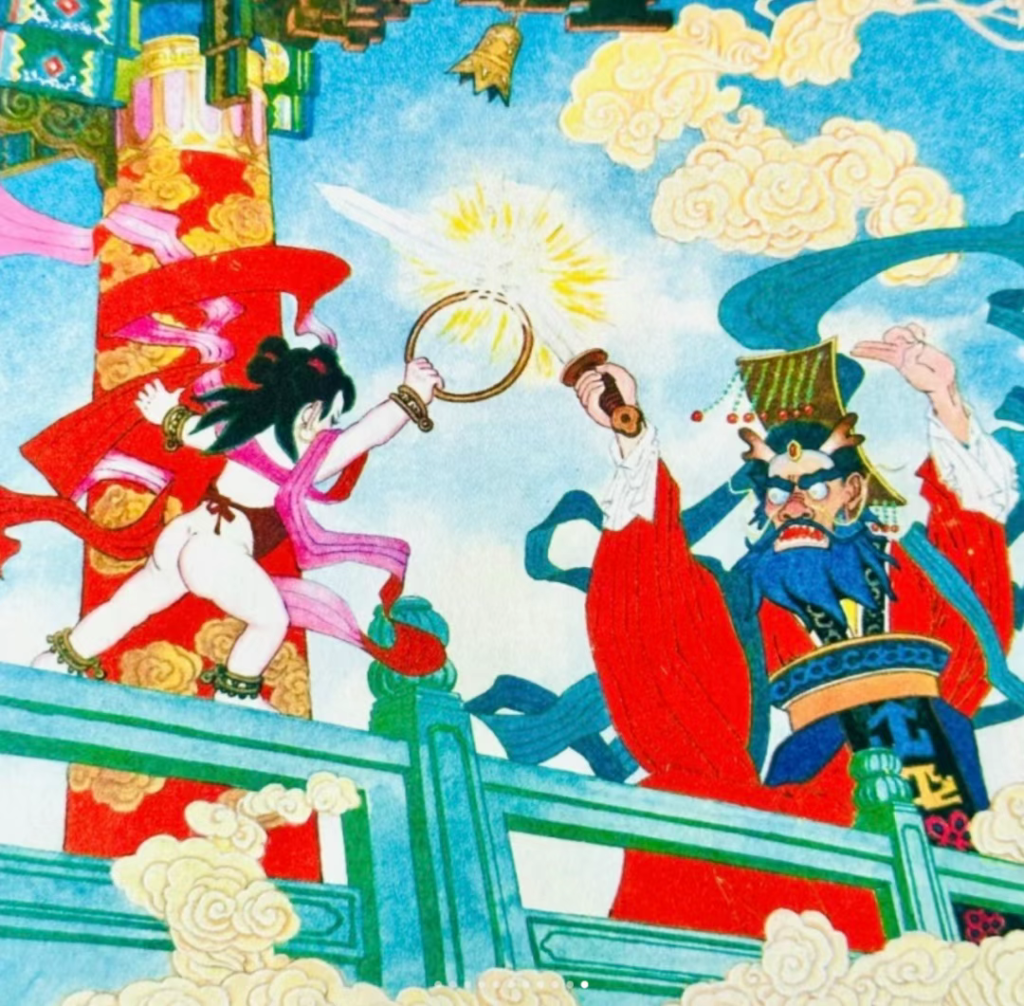
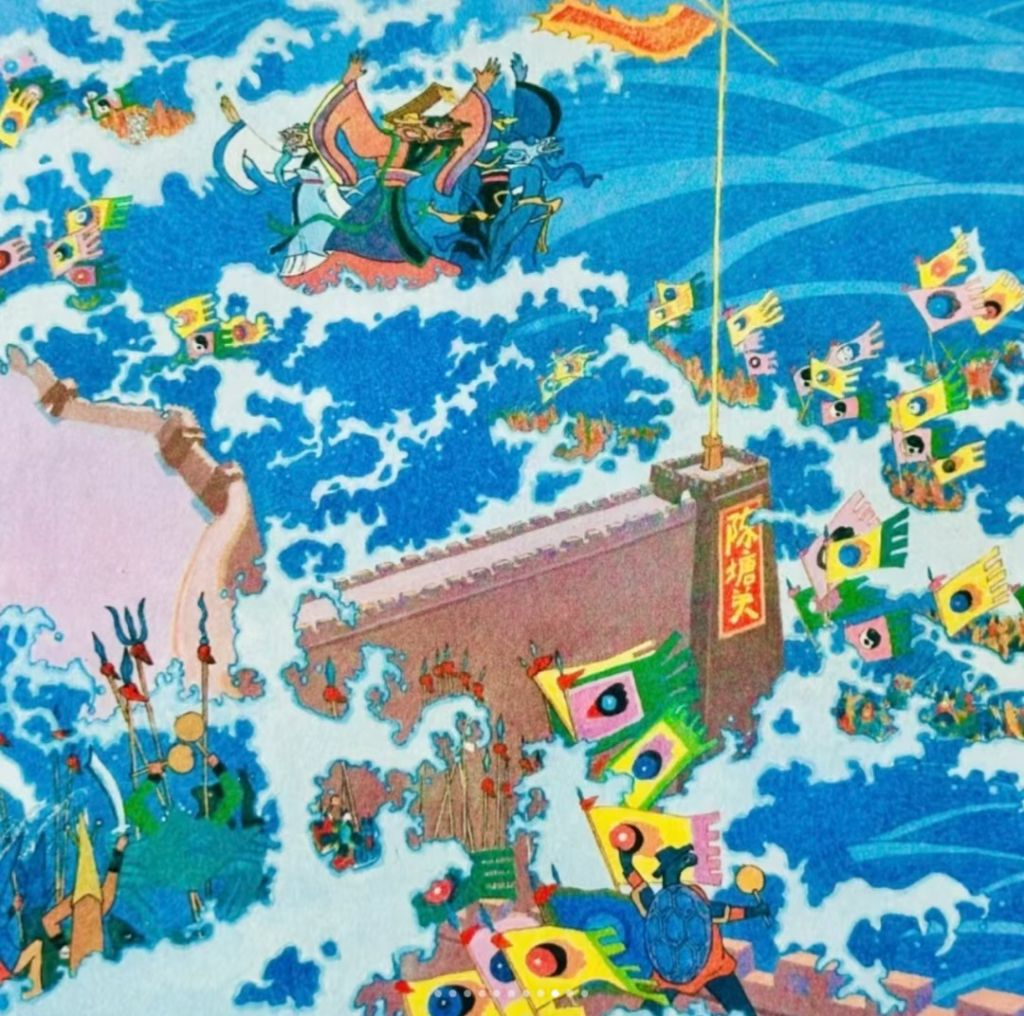
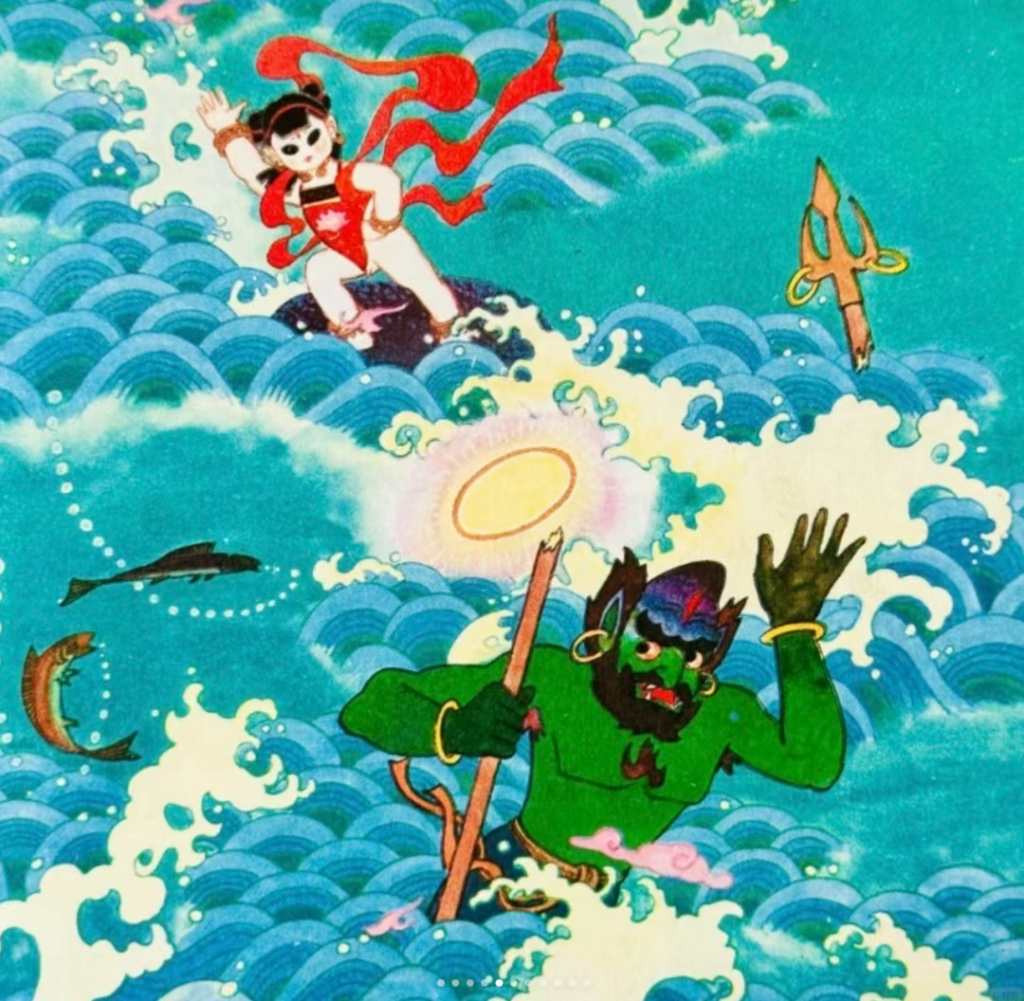
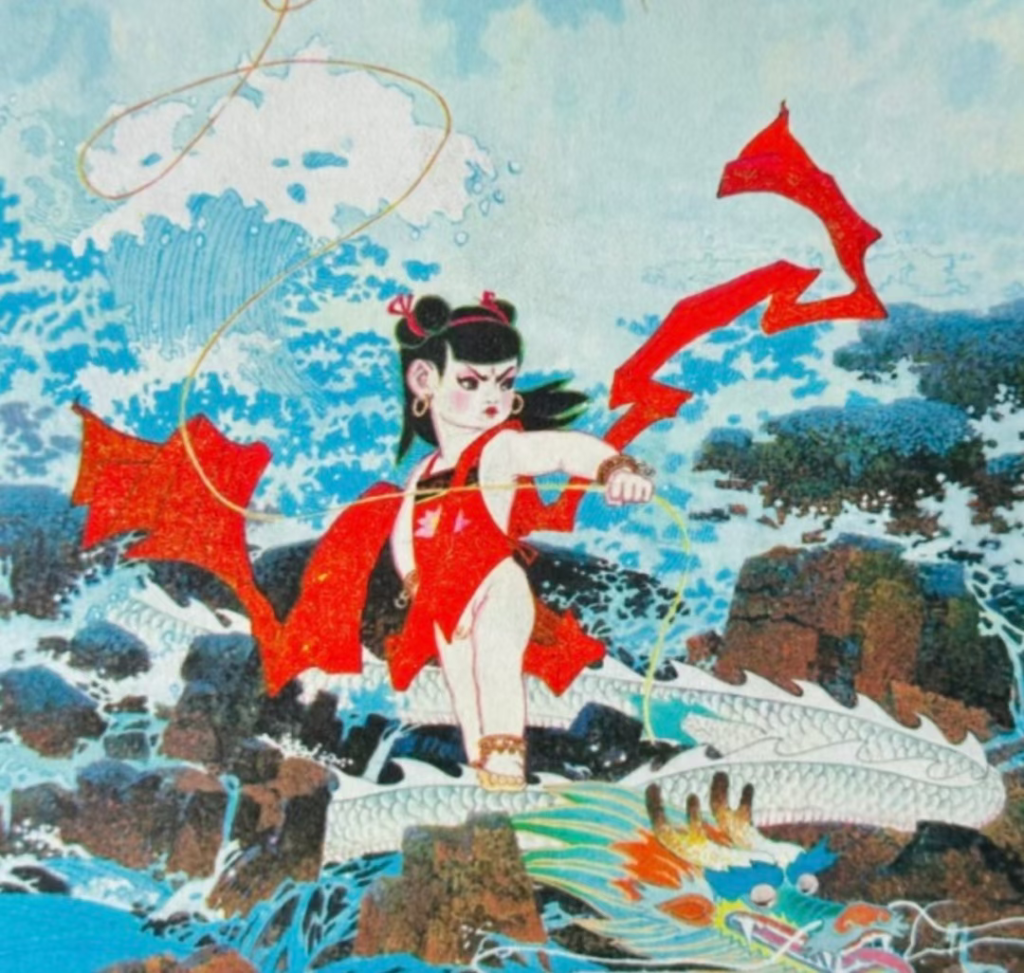
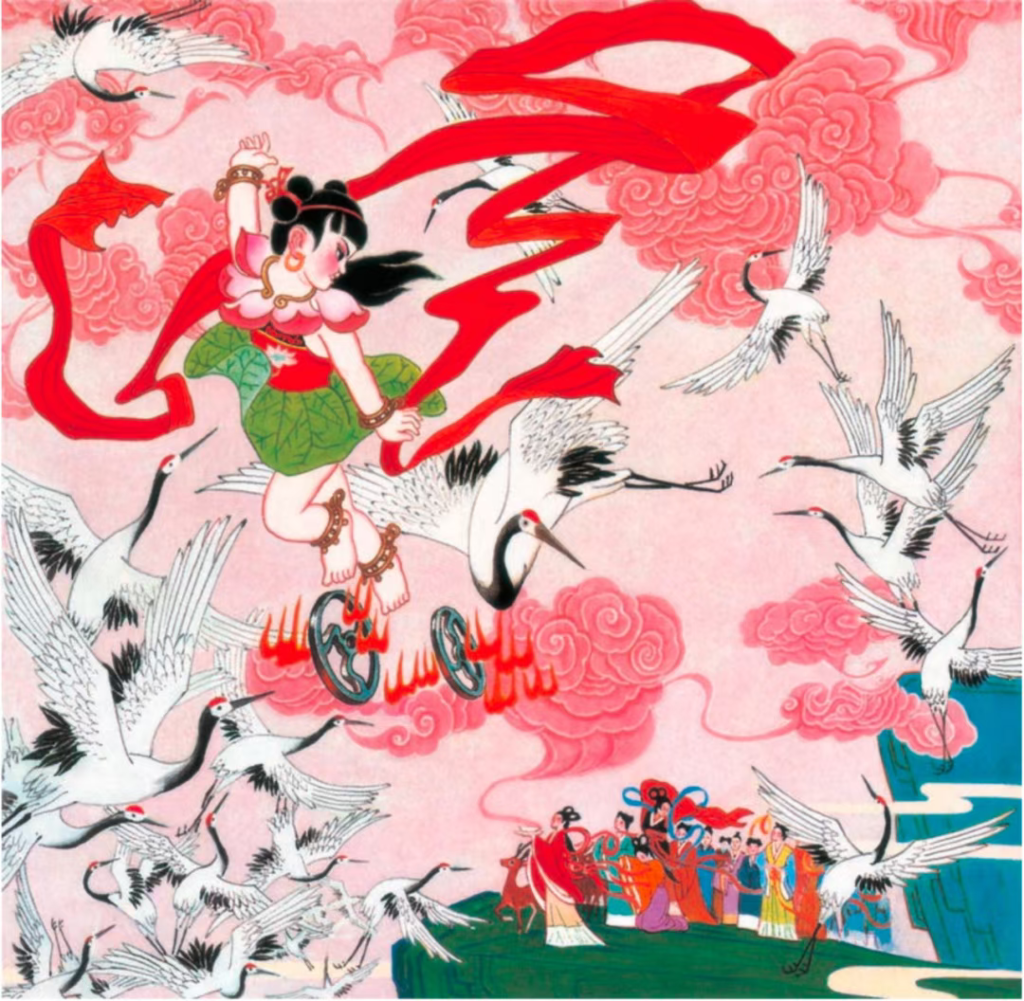
Returning to this edition of the picture-story book
Picture-Story Books: The Underestimated “Origin of Chinese Anime”
When discussing Chinese anime today, the conversation often starts with animation. But earlier, picture-story books were the core form of national visual narrative. In the mid-to-late 20th century, they were not just “children’s reading material,” but a vital medium of mass culture and a lifestyle of spiritual entertainment: using visual imagery to tell stories and using stories to convey value judgments.
Within this context, Ne Zha was reshaped—
No longer an out-of-control mischievous child, but a youth upholding justice.
This was the choice of the times, and a cultural choice.
The “Nezha Conquers the Sea” picture-story book series from Liaoning Publishing House represents a distinct Northern Chinese artistic tradition:
Why Sanseking Embarked on This Collaboration
Sanseking has consistently pondered one question: If Chinese anime only involves constant remakes and consumption, lacking respect for its origins, how far can it truly go?
This collaboration with Liaoning Publishing House is not about creating a “trendier Ne Zha.” Instead, it hopes to use TCG—a form familiar to contemporary youth—to bring the classic picture-story book back into the present.
TCG is not merely a peripheral product carrier; it is itself a narrative system:
The Significance of Promoting Chinese Anime is More Than Just “Riding the Guochao Wave”
For Sanseking, promoting Chinese anime is not equivalent to piling up visual symbols.
Truly valuable promotion of Chinese anime should involve at least three things:
This is also the fundamental reason Sanseking chose “Nezha Conquers the Dragon King” It is not an easy, crowd-pleasing story, but it is authentic enough.
This collaboration is not just a product launch.
It is more like an invitation—
An invitation to return to the true starting point of Chinese anime,
To re-understand the stories that once shaped our values.
Behind the constantly rewritten image of Ne Zha,
Liaoning Publishing House’s “Nezha Conquers the Sea” reminds us:
True classics are not meant to be repeatedly consumed,
But to always be capable of confronting the questions of their time.
And what Sanseking aims to do is simply to ensure such classics
Can still be seen, understood, and taken seriously today.
Comic strip appreciation