
Error: Contact form not found.
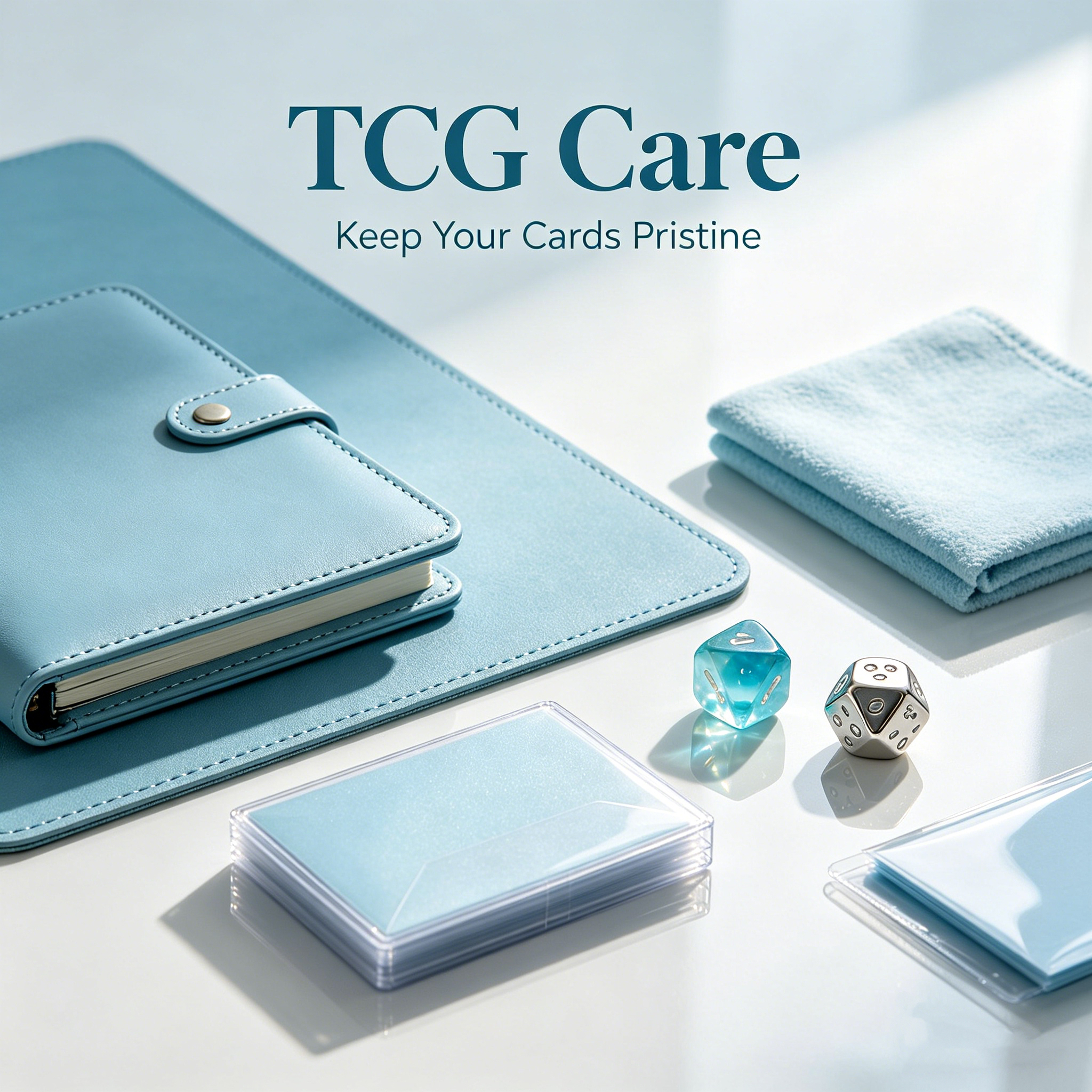
For any TCG enthusiast, your collection—from rare holographic cards to custom playmats, premium binders, and unique dice—is more than just a hobby; it’s a labor of love, a reflection of your passion, and often a valuable investment. Whether you’re a casual collector or a dedicated player, keeping your TCG gear in mint condition not only preserves its value but also enhances your overall experience with the game. Proper maintenance ensures that your cards stay crisp, your accessories last longer, and your collection remains a source of pride for years to come. Below is a comprehensive guide to caring for the most essential pieces of your TCG setup, with step-by-step tips to keep everything in top shape.
Your PU leather binder is more than just a storage tool—it’s a showcase for your card collection and a statement piece in your gaming space, especially if you own our Mythology Series binders with their intricate embossed designs. PU leather is beloved by TCG collectors for its durability, water resistance, and low maintenance, but it still requires gentle care to keep its sleek appearance and avoid premature wear. Unlike genuine leather, PU leather is synthetic, which means it’s less prone to cracking but more susceptible to damage from harsh chemicals.
To properly clean your PU leather card binder, start by gathering the right supplies: a soft, lint-free microfiber cloth (avoid paper towels, which can scratch the surface), a small amount of mild dish soap (free of fragrances or harsh additives), and a clean, dry towel. Begin by dusting off the binder with the dry microfiber cloth to remove any loose dirt, dust, or pet hair—pay special attention to the crevices around the binder’s spine and the edges of the cover, where dust tends to accumulate. Next, dampen the cloth (do not soak it, as excess water can seep into the binder and damage your cards) and add a tiny drop of mild dish soap, rubbing it gently to create a faint lather.
Wipe the entire surface of the binder in slow, circular motions, focusing on areas that show the most wear—such as the handle (if your binder has one) or the edges, which often come into contact with tables or bags. This gentle wiping removes skin oils, fingerprints, and light stains that can dull the binder’s finish over time. After cleaning, immediately dry the binder with a clean, dry towel to prevent water spots or warping. For our Mythology Series binders, this routine will keep the embossed textures sharp and vibrant, ensuring your binder looks as impressive as the cards inside it. Avoid using alcohol-based cleaners, acetone, or harsh disinfectants, as these can strip the binder’s protective coating, cause discoloration, or even dissolve the synthetic leather over time. With regular cleaning (aim for once every 2–3 weeks, or more often if you use the binder frequently), your PU leather binder will remain a stylish and functional home for your collection.
Your playmat is the centerpiece of your gaming setup—it’s where you shuffle, deal, and play every card, so it’s no surprise that it collects skin oils, dust, spilled drinks, and table grime over time. A dull, dirty playmat not only detracts from your gaming experience but can also transfer grime onto your cards, putting your valuable collection at risk. Fortunately, revitalizing your playmat is simple, as long as you follow the right steps to avoid damaging the material.
Most high-quality TCG playmats (including our Eastern-themed and fantasy-designed options) are made with a high-density rubber base and a fabric top, which is both durable and easy to clean. The first step in cleaning your playmat is to shake it out gently to remove loose dust and crumbs. If there are visible stains (such as coffee, soda, or food), spot-clean the area first with a damp cloth and a small amount of gentle detergent (avoid bleach or harsh cleaners, which can fade the print or damage the fabric). For a deeper clean, fill a basin with cool water (never hot, as heat can warp the rubber base) and add a small amount of mild detergent. Submerge the playmat in the water and gently scrub the surface with a soft sponge or cloth—avoid abrasive scrubbers, which can scratch the print or fray the stitched edges.
After cleaning, rinse the playmat thoroughly with cool water to remove any 残留 detergent, then gently squeeze out excess water (do not wring it, as this can damage the rubber backing). The most important step is drying: never put your playmat in the dryer, as the heat will cause the rubber to warp, the edges to fray, and the print to fade. Instead, lay the playmat flat on a clean, dry surface (such as a towel or drying rack) and let it air-dry completely—this may take 24–48 hours, depending on the humidity. Once dry, your playmat will look as good as new, with vibrant colors and a smooth surface that’s perfect for gaming. For extra protection, consider storing your playmat rolled up (with the printed side facing inward) when not in use, to prevent creases or damage.
Dice are an essential part of many TCG games, and for collectors, they’re often works of art—especially handcrafted resin dice or sleek metal dice. Over time, however, constant rolling, handling, and exposure to dust can cause your dice to lose their luster, making them look dull or dirty. With a little bit of care, you can keep your dice looking like new, whether they’re resin, metal, or a mix of both.
Resin dice are popular for their vibrant colors, unique swirls, and sharp edges, but they’re also prone to collecting fingerprints and dust. To clean and polish your resin dice, start with a dry, soft microfiber cloth—gently buff each die in circular motions to remove fingerprints and surface dust. This simple step will immediately restore their shine. If your resin dice are particularly dirty (e.g., they’ve been dropped on the floor or exposed to spills), you can rinse them quickly in lukewarm water—avoid hot water, which can warp or discolor the resin. Use a soft sponge if needed, but never use abrasive materials (such as scouring pads or rough cloths), as these can scratch the die’s surface and ruin its sharp edges. After rinsing, dry the dice thoroughly with a clean towel before storing them, to prevent water spots. For an extra shine, you can use a small amount of silicone-based polish (designed for plastic or resin) and buff gently—this will make your resin dice look glossy and new.
Metal dice (such as zinc alloy or stainless steel) are durable but can develop oxidation (tarnish) over time if not properly cared for. To clean your metal dice, start with a damp microfiber cloth—wipe each die thoroughly to remove fingerprints, dust, and any surface grime. For zinc alloy dice, which are more prone to oxidation, ensuring they are completely dry before storage is critical—even a small amount of moisture can cause them to rust or tarnish. If you notice tarnish on your metal dice, you can use a small amount of metal polish (applied with a soft cloth) to buff it away, then wipe clean with a dry cloth. Avoid using harsh chemicals or abrasive cleaners on metal dice, as these can scratch the surface or damage any decorative engravings. Store your metal dice in a dry, airtight container (such as a small metal tin or velvet pouch) to prevent exposure to moisture and keep them looking their best.
Card sleeves are the first line of defense for your TCG cards—they protect against scratches, fingerprints, moisture, and wear, ensuring your valuable cards stay in mint condition. However, sleeves are also the most “disposable” part of your TCG setup, as they wear out over time with frequent shuffling and handling. Knowing when to replace your sleeves is key to keeping your cards safe and maintaining their value.
The most obvious sign that it’s time to replace your sleeves is when the corners start to split or fray. Split corners not only look unprofessional but also leave your cards vulnerable to damage—sharp edges can scratch the card’s surface, and dirt or moisture can seep into the sleeve. Another telltale sign is a change in the “shuffle feel”: if your sleeves start to feel sticky, stiff, or difficult to shuffle, it means the material is breaking down, and they’re no longer providing adequate protection. Additionally, if your sleeves become discolored, cloudy, or covered in grime that won’t wipe off, it’s time for a fresh set—old, dirty sleeves can actually transfer grime onto your cards, defeating the purpose of using them in the first place.
When replacing your sleeves, opt for high-quality, acid-free sleeves (like our artistic card sleeves) that are designed specifically for TCG cards—these sleeves are thicker, more durable, and less likely to tear or split. It’s also a good idea to replace all sleeves in a deck at once, rather than mixing old and new sleeves, as this ensures consistent protection and a smooth shuffle. For valuable or rare cards, consider using double sleeves (a thin inner sleeve and a thicker outer sleeve) for extra protection—this is especially important for holographic cards, which are more prone to scratching and fading.
By following these simple maintenance tips, you can keep your TCG gear in mint condition, preserve the value of your collection, and continue to enjoy your favorite hobby for years to come. Remember: your TCG gear is an investment in your passion—taking care of it is a way to honor that passion and ensure it brings you joy for many games to come.