
Error: Contact form not found.
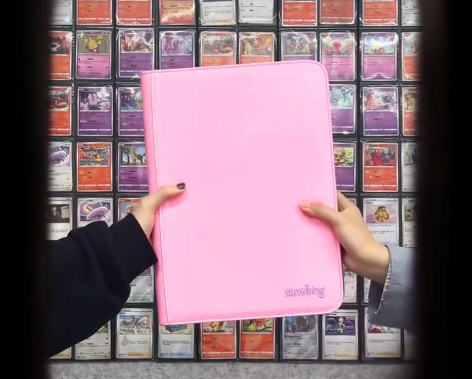
For Pokémon TCG collectors, chasing and completing a master set is one of the most rewarding journeys in the hobby. It’s a labor of patience, dedication, and passion—hunting down every last card, celebrating rare pulls, and watching your collection grow into a complete, cohesive showcase of a beloved set. But finishing a master set is only half the battle; organizing it properly in a binder is what turns a pile of cards into a polished, display-worthy collection that’s easy to navigate, protect, and preserve for years to come.
A true Pokémon master set goes far beyond just the basic core cards. For most modern expansions, a complete master set includes every standard release card in the set, all corresponding reverse holo versions, hard-to-find secret rares, ultra rares, alternate art cards, and even special promo variants tied to the set, depending on your personal collecting goals. Without a clear, consistent system in place, your carefully curated binder can quickly turn into a disorganized mess—cards out of order, reverse holos misplaced, gaps hard to track, and valuable cards at risk of damage. A well-structured binder not only looks professional but also makes it simple to spot missing pieces, show off your collection to fellow collectors, and keep every card in pristine condition.
Whether you’re a seasoned collector finishing your latest master set or a new enthusiast embarking on your first, this step-by-step guide will walk you through every detail of organizing a flawless Pokémon master set binder, from choosing the right card order to avoiding costly mistakes. With careful planning and the right supplies, you’ll create a collection layout that’s functional, visually appealing, and built to stand the test of time.
Before you insert a single card into a sleeve, the first critical decision is choosing your card order. This structure will guide every part of your organization, so it’s important to pick a system that fits your collecting style and long-term needs. Most dedicated master set collectors stick to one of three proven structures, each with its own advantages for tracking completeness and visual flow.
By far the most common and recommended method for master sets is organizing cards exactly by official set number. Every Pokémon TCG set comes with a standardized numbering system (e.g., 001/198, 002/198) printed on the bottom of every card, and following this order ensures perfect consistency and effortless gap tracking. This system is ideal for serious collectors focused on full completeness, as you can easily flip through the binder and immediately see which numbers are missing—no guesswork required.
This order also maintains the set’s intended visual flow, keeping character lines, evolution chains, and themed cards grouped together as the set designers intended. It’s the gold standard for master set binders, especially if you plan to archive the collection long-term or potentially resell it later, as buyers and fellow collectors universally recognize and prefer set number order.
For collectors who prioritize visual contrast and neat categorization, rarity grouping is a popular alternative. This system separates cards by their rarity tier, arranging them from Commons → Uncommons → Rares → Holo Rares → Ultra Rares → Secret Rares. The result is a visually clean binder, with distinct sections for each rarity level that highlights the progression from basic to ultra-rare cards.
While this method looks striking, it has a key drawback: it makes tracking missing set numbers far more difficult. Since cards are grouped by rarity rather than official number, you’ll need a separate checklist to cross-reference gaps, and the natural flow of the set is broken. This style is best for casual collectors who focus more on display than strict completeness tracking.
Reverse holos are a staple of every master set, and how you arrange them is a defining choice for your binder layout. There are two widely accepted approaches, and the right one depends on your space and preference:
Pairing Method (Recommended for Most): Place each reverse holo card directly behind its standard non-holo version. This creates a logical, side-by-side comparison of the two variants, keeps the set number sequence intact, and makes it easy to confirm you have both versions of every card. This is the most popular choice for master sets, as it keeps the collection cohesive and easy to follow.
Separate Section Method: Dedicate a full, distinct section of the binder exclusively for all reverse holo cards, arranged in set number order. This is a great option if you prefer a clean, uniform look for standard cards upfront, with a dedicated “holo wing” of the binder for reverse variants. It works well for larger sets with dozens of reverse holos, but requires more intentional planning to keep both sections in sync.
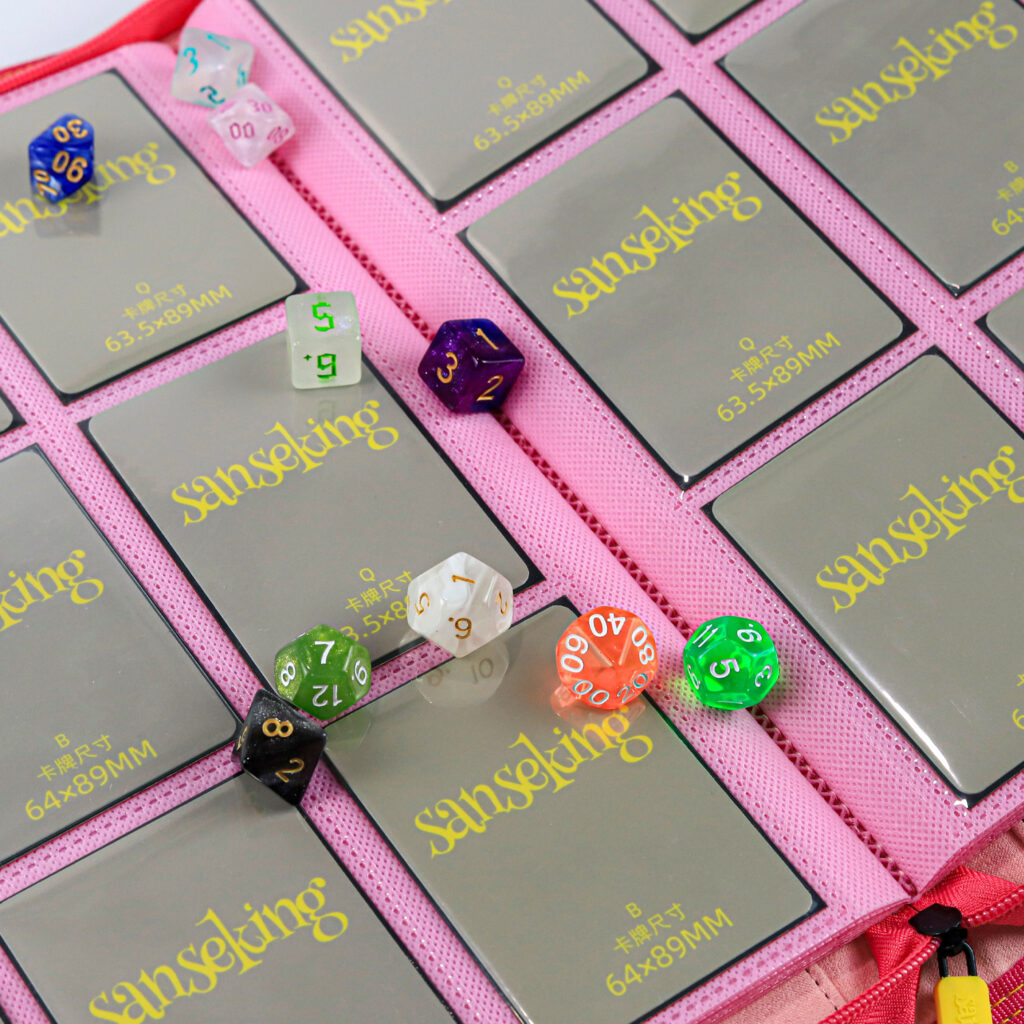
One of the biggest mistakes new collectors make is grabbing a random binder and starting to insert cards, only to run out of space halfway through the master set. Proper capacity planning is essential to avoid messy overcrowding, last-minute binder swaps, or forcing cards into pages that damage them. Taking 10 minutes to calculate your total card count will save hours of frustration later.
Start by listing out every component of your master set: total standard base cards, full set of reverse holos, secret rares, alternate arts, and any promo cards included in your master set definition. Add these numbers together to get your total card count. Next, consider your binder page type: standard 9-pocket pages are the industry norm for Pokémon collections, holding 9 cards per side, or 18 cards total per double-sided page.
For example: A mid-sized modern Pokémon set with 180 base cards plus 180 reverse holos and 20 secret rares brings your total to 380 cards. A 30-page 9-pocket binder holds 540 total cards, giving you plenty of room for the full set plus extra space for future additions. Always choose a binder with 10-20% more capacity than your current total card count—this small buffer prevents tight, overstuffed pages and leaves room for unexpected variants or upgrades.
A master set is a valuable investment, and using high-quality, consistent supplies is non-negotiable for both protection and presentation. Cutting corners on cheap sleeves or mixed page types can lead to scratched cards, bent edges, fading, and a disorganized, unprofessional look.
Card Sleeves: Every Card Deserves Protection
Even if you’re tempted to skip sleeves on common cards,sleeve every single card in your master set. Soft, archival-grade penny sleeves are affordable and provide a vital layer of protection against fingerprints, scuffs, dust, and minor bending. For ultra-rare and secret rare cards, you can upgrade to thicker, premium hard sleeves for extra security, but keep all base sleeves uniform for a clean, consistent look in the binder.
Binder Pages: Stick to Side-Loading Only
Avoid top-loading pages entirely for master sets—they’re far more likely to let cards slide out, especially when the binder is moved or displayed. Instead, use side-loading 9-pocket pages, which secure cards tightly on three sides and prevent accidental loss. Most importantly, never mix page types in the same binder. Stick to one brand, one style, and one thickness of pages throughout the entire collection; mismatched pages create uneven spacing and ruin the polished, professional look of a master set.
Pokémon TCG sets often have surprise post-release content that can expand your master set goals, and leaving space in your binder will save you from completely reorganizing later. Many modern sets get additional promo cards, special alternate art re-releases, collector’s edition variants, or bonus cards added months after the initial launch.
A simple and effective rule is to leave 1-2 completely empty pages at the end of your main set section, and an extra half-page of gaps between major rarity sections if you use that grouping style. This blank space acts as a dedicated spot for any new additions, so you won’t have to shift dozens of cards around to fit a late-release promo or secret rare. For long-term collecting, this small step keeps your master set flexible and future-proof.
Even with a solid plan, it’s easy to fall for common organizing mistakes that can damage your collection or ruin its presentation. Steer clear of these pitfalls:
A perfectly organized Pokémon master set binder is far more than just storage—it’s a showcase of your dedication, a tangible piece of the hobby you love, and a long-term preservation tool for your valuable collection. Every decision, from card order to sleeve choice, plays a role in creating a collection that’s both functional and beautiful.
By planning your layout early, calculating capacity, using consistent high-quality supplies, and leaving room for growth, you’ll avoid common pitfalls and build a master set binder that stands out for all the right reasons. It takes a little extra time upfront, but the result is a polished, complete collection that you can proudly display and enjoy for years, whether you’re flipping through it alone or sharing it with fellow Pokémon fans.
For collectors looking to elevate their setup even more, pairing your master set binder with matching storage boxes and premium display sleeves creates a fully cohesive collection space. Take pride in your journey, and turn your completed master set into a timeless showcase worthy of a true Pokémon Master.