
Error: Contact form not found.
For many trading card collectors, these pieces of cardboard are far more than just a hobby—they’re tangible pieces of personal history, holding memories of childhood joy, hard-fought tournament wins, beloved fictional characters, and meaningful milestones shared with friends and family. A single card can transport you back to the moment you pulled it from a booster pack, the thrill of winning a local game store competition, or the thoughtfulness of a loved one gifting you a long-sought-after rare find. But as collections grow—one pack, one trade, one win at a time—they can easily spiral into disorganization: cards tossed into unmarked boxes, sleeves scuffed from haphazard storage, prized pieces hidden away where no one can appreciate them, or worse, damaged from neglect. What once felt like an exciting treasure trove can quickly become an overwhelming mess, robbing you of the joy of your hobby and the pride of sharing it with others.
The good news is that building a card collection you’re proud to display doesn’t require a lavish budget, professional curation, or fancy custom setups. It doesn’t depend on how many rare, high-value cards you own, or how complete your sets are. Instead, it’s about making intentional, consistent choices when it comes to protection, organization, and presentation—choices that honor your cards, your story, and the passion that led you to collect in the first place. A curated, cared-for collection of common cards with personal meaning will always be more impressive than a jumbled pile of expensive rares, and with a few simple steps, you can turn even the most unruly collection into a display that feels uniquely yours, and one you’ll be excited to share with fellow collectors, friends, and family.
Before you ever think about sorting, organizing, or displaying your cards, protection must be your top priority—this is the foundation of any collection worth showing. Trading cards are fragile by nature: even the most casual handling, storage, or display can cause irreversible damage that dims their beauty and erodes their sentimental and financial value. A single careless touch can leave unsightly fingerprint smudges on a card’s surface; sliding an unsleeved card into a deck box can dull its edges or round its corners; leaving cards out on a shelf can expose them to dust, moisture, and sunlight that fades artwork and warps the cardboard. Common damage like corner wear, surface scratches, bending, and dust buildup might seem minor at first, but they add up over time, turning a prized card into a damaged keepsake that loses the magic it once held.
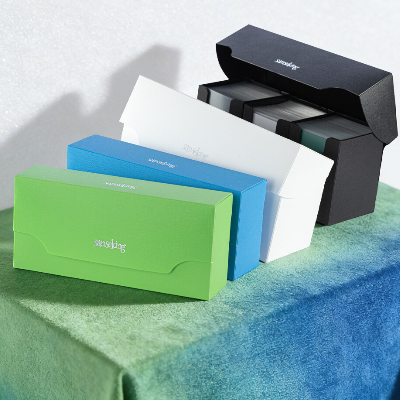
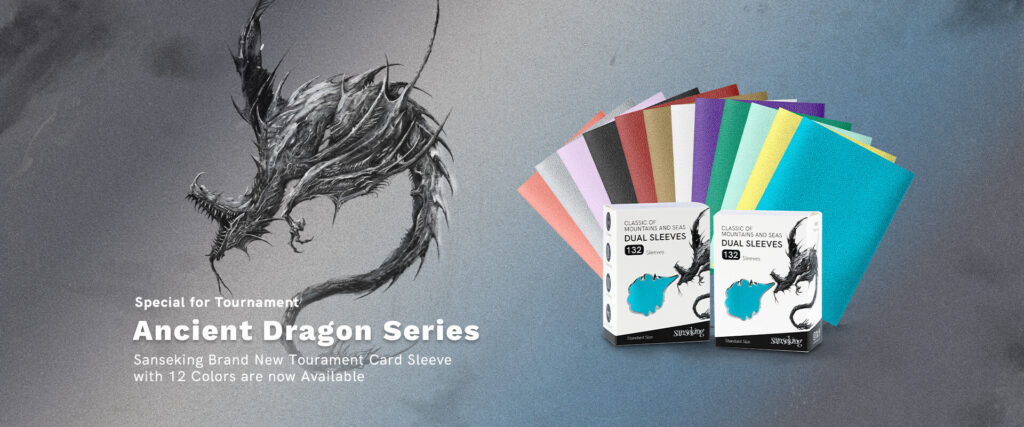
Investing in basic, quality protection supplies is not an expense—it’s an investment in preserving your collection for years to come. Start with premium card sleeves: soft inner sleeves for ultimate scratch protection, paired with rigid outer sleeves or top loaders for thicker, more valuable cards, and magnetic cases for your most prized pieces, like graded cards or one-of-a-kind pulls. These supplies create a barrier against the everyday risks that damage cards, and they’re affordable and widely available for every type of collector, from casual hobbyists to serious enthusiasts. Many collectors also use a sturdy protective card storage box to keep their sleeved cards, top loaders, and graded slabs in one secure, dust-free place, preventing them from being jostled, bent, or lost. Beyond preserving a card’s monetary value, protection gives you peace of mind: you can handle, browse, and share your cards without the constant fear of ruining something precious, turning the simple act of enjoying your collection into a stress-free pleasure.
There is no universal “right” way to organize a card collection— and that’s the beauty of it. The worst mistake you can make is forcing your collection into a system that works for someone else but feels meaningless to you, whether that’s strict sorting by set number, rarity, or market value. Serious collectors all have their own methods: some sort their cards by the game or franchise set/expansion, creating a visual timeline of their favorite TCG’s history; others group cards by character, player, or creature type, celebrating the themes and stories they love most; some separate cards by rarity, keeping their rarest pulls front and center, while others sort by personal favorites, tucking their most beloved cards into a dedicated section for easy browsing. Some even mix it up, sorting bulk cards by set for practicality and their prized pieces by artwork style, drawn to the visual artistry that makes trading cards so unique.
The only rule for organization is consistency. Choose a system that makes sense to your brain, your collecting goals, and the stories you want your collection to tell, and stick with it. This not only makes your collection easier to manage—no more digging through a pile of cards to find a single piece—but it also makes browsing it a more enjoyable experience, for you and anyone you show it to. A card binder with side-loading pages is a perfect tool for visual organization: it keeps cards securely in place (no more slipping out and getting damaged) while letting you arrange them in rows and columns that highlight your sorting system, turning a simple binder into a curated book of your hobby. For bulk cards or cards you don’t display often, labeled storage boxes work just as well— the key is that every card has a home, and you know exactly where to find it.
Displaying your favorite cards is one of the greatest joys of collecting—it lets you celebrate your prized pulls and share your passion with others—but display should never come at the cost of protection. The biggest mistake new collectors make is leaving their most beloved cards exposed: propped up on a shelf without a case, taped to a wall, or laid out on a table where they’re vulnerable to dust, sunlight, accidental knocks, and curious hands. Displaying your cards doesn’t mean sacrificing their condition; the best displays strike a perfect balance between visibility and protection, letting your cards shine while keeping them safe from harm.
Thankfully, there are endless affordable, practical options for safe display, no matter how much space you have or what type of cards you collect. Magnetic display cases are a fan favorite for single prized cards: they’re clear, sleek, and keep cards sealed away from dust and moisture while showcasing every detail of the artwork. Graded card holders (slabs) from PSA, BGS, or CGC not only preserve a card’s condition but also make for stunning display pieces, and a graded card storage box lets you store these slabs neatly while keeping them easily accessible for rotating displays or photography. Compact display stands, designed specifically for trading cards, let you prop up sleeved or slabbed cards on shelves, desks, or coffee tables without risking bending or falling, and they come in subtle, minimalist designs that don’t distract from the cards themselves. Even a simple, well-organized binder can be a display piece: keep it on a coffee table or bookshelf, and flip through it with friends— it’s a portable, interactive display that lets you share your collection up close, without exposing your cards to unnecessary risk.
Your collection is a living, growing thing, and your display should be too. There’s no need to keep every single one of your favorite cards on display all the time—in fact, doing so can do more harm than good. Constant light exposure (even indoor light) can fade card artwork over time, and a static display can quickly become background clutter, making you lose that initial thrill of seeing your prized cards every day. A simple rotation system solves both problems, and it’s one of the easiest ways to keep your collection feeling fresh and exciting.
A card rotation is simple: pick a small selection of cards to display—say, 5-10 pieces—and swap them out every few weeks or months for new ones from your collection. This not only reduces light exposure and wear on your cards, preserving their condition for years, but it also lets you highlight different parts of your collection you might otherwise forget about: a childhood favorite you haven’t thought about in years, a tournament win card from a few months back, or a lesser-known card with stunning artwork that deserves a moment in the spotlight. Rotating your display also keeps you emotionally connected to your collection: every time you swap out cards, you’ll browse through your binder or storage boxes, rediscovering old favorites and falling in love with your cards all over again. It turns your display from a static decoration into a dynamic celebration of your collecting journey, and it makes every time someone asks to see your collection a new, exciting experience.

If you ask seasoned collectors what makes a collection truly impressive, few will mention market value or rare pulls. Instead, they’ll talk about story—the personal, unique narratives that make a collection more than just a pile of cards. The most memorable, most pride-worthy collections aren’t the ones with the highest price tags; they’re the ones that tell the story of the person behind them, their loves, their wins, their memories, and their journey as a collector. Your collection’s story is what makes it irreplaceable, and it’s what will make others stop and say, “That’s such a cool collection.”
Your collection’s story can be woven into every choice you make, from how you sort to what you display. It might include your childhood favorite card—the one you kept in your backpack for years, even when it was beat up and worn; the trophy card from your first ever tournament win, a common card that means more than any rare pull; gifts from friends and family, who remembered your hobby and found a card that made them think of you; or nostalgic pulls—the first rare card you ever pulled from a pack, the one that sparked your love for collecting in the first place. It might even include “imperfect” cards: a slightly damaged card that you pulled on a special day, or a bulk common that you love for no other reason than it makes you happy. These are the cards that give your collection heart, and they’re the cards you’ll love to talk about when someone asks to see your display. When your collection reflects you—your personality, your memories, your passion—it becomes something you’re proud to show, not because of what it’s worth, but because of what it is: a piece of your life, preserved in cardboard.
Building a card collection you’re proud to show is not a race, and it’s not a competition. It’s a labor of love, built one small, intentional choice at a time—one sleeve, one organized binder, one carefully chosen display piece, one memory at a time. It doesn’t happen overnight: your collection will grow and change, your system will evolve, and your favorite cards will shift as you journey as a collector. But with proper protection that honors your cards, thoughtful organization that works for you, safe display that lets your favorites shine, a rotation system that keeps the hobby fresh, and a personal touch that weaves your story into every part of the collection, any card collection—no matter how big or small, expensive or casual—can become something truly special.
At the end of the day, collecting is about joy: the joy of the hunt, the joy of discovery, the joy of holding a card that means something to you. A collection you’re proud to show is just an extension of that joy—one that lets you share your passion with the world, and one that you’ll continue to cherish for years to come. Your cards are more than just cardboard; make sure your collection is a display that lives up to that.