
Error: Contact form not found.

Inventory tracking apps and digital collection platforms have completely revolutionized the modern TCG (Trading Card Game) collecting hobby, redefining how enthusiasts manage, value, and organize their card assets. Traditional collectors once relied on manual notebooks, scattered spreadsheets, and memory to log their collections, a time-consuming and error-prone process that often led to missing records, duplicate purchases, and inaccurate value assessments. Today’s digital tools streamline every step of inventory management, allowing collectors to simply scan a card with their phone camera, automatically identify its set, rarity, edition, and condition, and instantly sync it to a cloud-based digital database. This intelligent system makes tracking a collection’s total net worth, monitoring market value fluctuations, and managing collection growth far more efficient and precise than ever before.
Despite the unparalleled convenience of digital inventory systems, they come with one critical limitation: digital records are entirely dependent on the physical condition of the actual cards. A digital database can label a card as “Near Mint” or “Mint” and assign it a high market value, but these data points become meaningless if the physical card deteriorates over time. Improper storage, casual handling, exposure to dust, ultraviolet light, and accidental friction can leave fine surface scratches, edge wear, or faded prints on precious cards. Once physical damage occurs, the digital portfolio’s valuation no longer reflects real-world worth, undermining the credibility of the entire digital inventory system. For serious collectors who view their TCG collections as both a personal hobby and a tangible investment, protecting physical cards with professional-grade TCG accessories is non-negotiable. Premium card sleeves, high-transparency UV-resistant inner pages, and sturdy protective binders preserve every card’s original condition, ensuring that physical assets always match the accuracy and value of digital records.
Efficient collection management relies on consistent synchronization between digital categorization and physical storage organization. Most modern collecting apps and platforms feature customizable classification systems, allowing users to sort cards by release set, rarity level, element type, release year, or competitive usability. However, many collectors fall into a common trap: maintaining a perfectly organized digital inventory while leaving their physical cards disorganized in random boxes or loose stacks. This disconnect defeats the core purpose of digital inventory management, forcing collectors to waste valuable time rummaging through piles of cards when they need specific pieces for trading, deck building, or collection display.
The optimal solution is to make physical storage fully mirror digital folder logic. Collectors can arrange their 9-pocket side-loading binders, card albums, and storage boxes in the exact same sequence and classification as their digital inventory. For example, if the digital platform groups all rare holographic cards from a specific expansion set into an independent folder, the corresponding physical cards should be stored in a dedicated binder section with consistent sorting rules. This systematic, one-to-one organizational method enables collectors to locate any single card within seconds, eliminating the hassle of flipping through multiple unorganized storage containers. Beyond improving search efficiency, this unified system also simplifies regular inventory checks. Collectors can quickly cross-verify digital logs with physical collections, easily spotting missing cards, misplaced pieces, or unrecorded additions, creating a seamless, error-free collecting management loop.
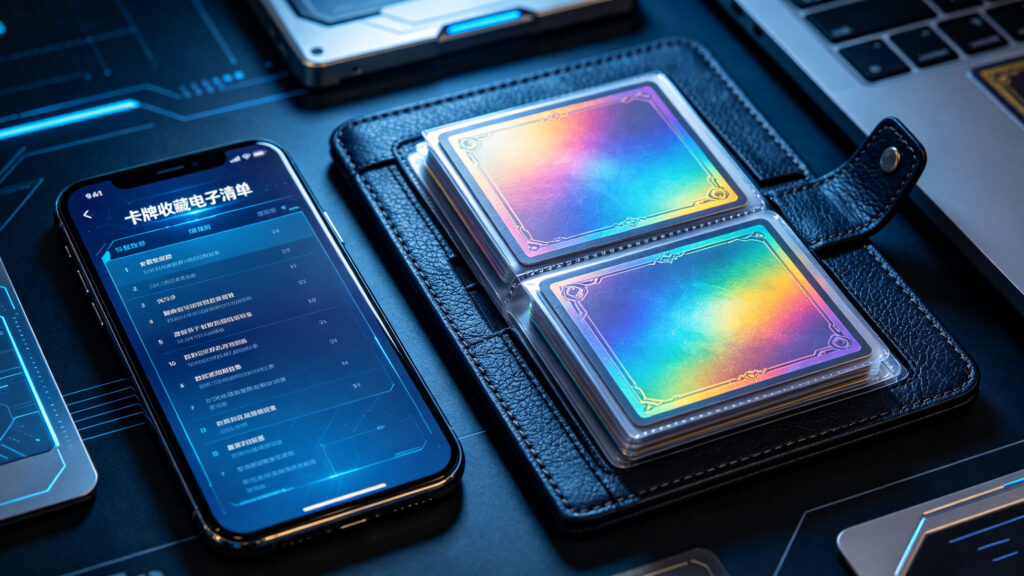
In the modern TCG ecosystem, digital deck simulation has become an essential part of competitive gameplay and collection planning. Countless players spend hours on official simulators and third-party digital platforms testing deck combinations, adjusting card ratios, and optimizing tactical strategies before purchasing physical cards. These digital trial runs help players filter out inefficient card combinations, refine their gameplay styles, and finalize perfect deck lists tailored to competitive meta trends. However, many players overlook the importance of orderly physical organization after confirming their ideal digital deck lists, leading to messy card storage, lost singles, or damaged key cards during deck assembly.
Organization and protection are the core of converting digital deck masterpieces into playable physical decks. After purchasing individual single cards to match the finalized digital deck list, collectors should store these newly acquired pieces in high-quality, artistic card sleeves immediately. Premium sleeves not only prevent surface scratches and edge damage during sorting and assembly but also unify the deck’s appearance for formal gameplay. Once the deck is fully assembled, storing it in a durable, secure deck box provides comprehensive protection against extrusion, dust, and moisture during transportation and storage. This careful preservation process ensures that the carefully optimized digital deck strategy can be perfectly replicated on the physical tabletop, with every card remaining in pristine condition for stable, consistent gameplay during competitions and casual matches.
As digital card games and virtual collecting platforms continue to flourish and iterate, the unique value of physical TCG collections has become increasingly prominent and irreplaceable. Digital cards exist only as data codes on screens, lacking tangible texture, collection temperature, and commemorative significance. In contrast, physical cards carry exquisite printing craftsmanship, unique texture touches, and tangible collection memories. The crisp feel of sharp card edges, the luster of holographic prints, and the tactile experience of shuffling a physical deck are sensory joys that digital interfaces can never replicate. Moreover, offline trading, in-person competitions, and tabletop social interactions built around physical cards form the core community culture of TCG hobbies, creating irreplicable emotional and social value for collectors.
Beyond emotional value, well-preserved physical cards also possess sustainable investment and historical collection value. Classic limited-edition sets, out-of-print rare cards, and signature variant cards steadily appreciate in market value over time, becoming valuable collectible assets and historical archives of TCG development. Investing in high-end protective accessories—including UV-blocking transparent inner pages, high-toughness anti-scratch sleeves, and moisture-proof storage binders—can effectively avoid natural aging and man-made damage to cards. By balancing digital inventory management efficiency with rigorous physical protection, modern collectors can perfectly combine the convenience of digital technology with the eternal value of physical collections, allowing their card collections to maintain excellent condition and stable value for years to come.