Error: Contact form not found.
We spent last weekend in Guangzhou, attending the BGM Game Expo from April 17 to 19. It was our first time at this particular show, and to be honest, we didn’t go in with overly high expectations. The calendar in China is getting crowded with events, and not all of them deliver real value.
This one did.
Over three days, the venue stayed consistently busy. Not in an overwhelming, chaotic way, but in a steady flow that usually tells you something important: people didn’t just show up, they stayed, they engaged, and they came with a purpose.
You could see it in the trading areas, where people were sitting down for long conversations instead of quick deals. You could see it at the grading booths, where collectors were asking detailed questions rather than just submitting cards. And you could definitely see it at the exhibitor stands, where visitors were actually taking time to look, touch, and compare products.
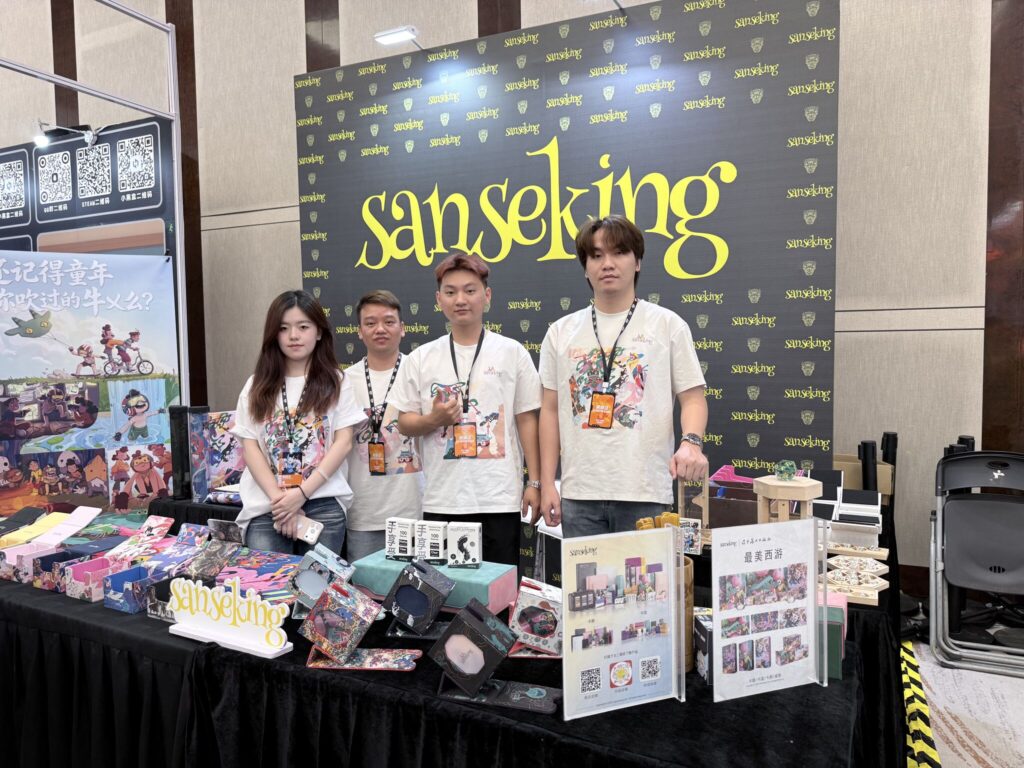
From a European perspective, it’s easy to assume that most events in China are either massive but unfocused, or very local in nature. This one sat somewhere in between—and that’s probably why it worked.
There were dozens of exhibitors, but the mix felt curated rather than crowded. You had card sellers, accessory brands, grading-related services, and a growing number of businesses trying to position themselves somewhere in between collecting and lifestyle.
The structure of the event was also more balanced than expected. It wasn’t just about buying and selling. There were interactive elements, small activities, and even voice actor autograph sessions, which brought in a slightly different audience. Not everyone there was a hardcore TCG player, and that’s actually a good sign.
If anything, it shows how the hobby here is expanding beyond its traditional base.
One thing that stood out quite clearly was the audience.
There’s a noticeable shift compared to a few years ago. The crowd is getting younger, but also more informed. People are asking better questions. They’re more aware of product differences, materials, and pricing. And they’re not buying blindly.
At the same time, spending feels more cautious.
This is something that probably resonates with what’s happening in Europe as well. The post-boom phase of the card market is pushing people to be more selective. Instead of buying more, they’re trying to buy better.
That’s where accessories actually become more relevant.
When collectors are more careful about what they keep, they also care more about how they store and protect it.
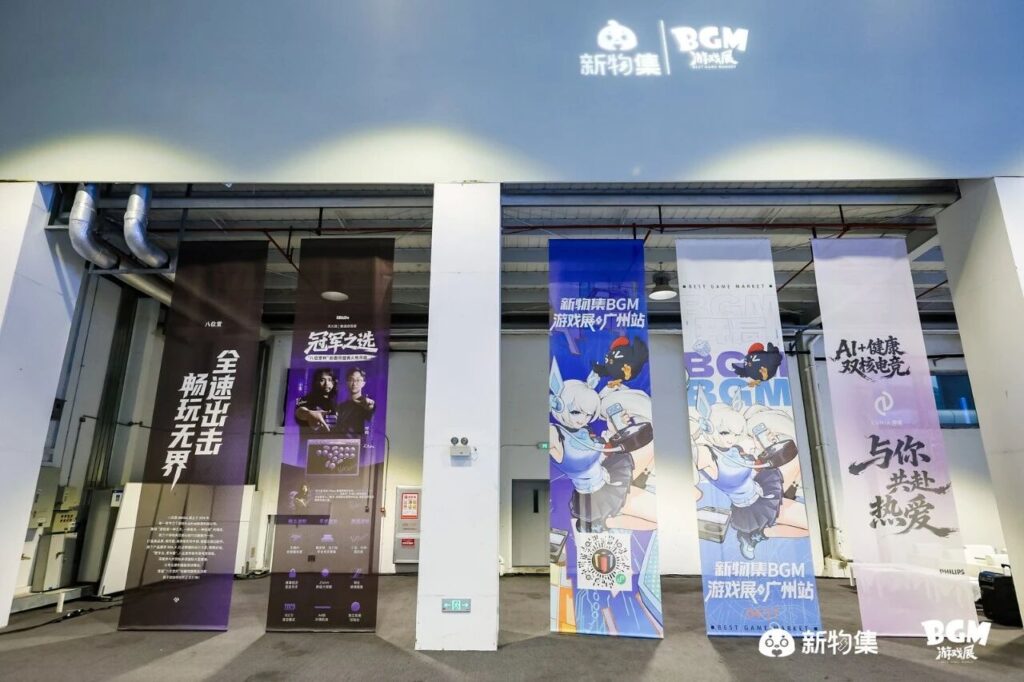
We attended the show as invited guests, and naturally, we spent most of our time around our own products. What we noticed was quite consistent throughout the three days: people didn’t just glance and move on.
They stopped, asked questions, compared options.
A few years ago, accessories were often treated as an afterthought. Sleeves were sleeves, boxes were boxes. That’s changing.
Now the conversation is different:
These are not beginner questions.
For us, that’s actually encouraging. It means the market is maturing. And a maturing market is always better for brands that focus on product quality rather than just price.
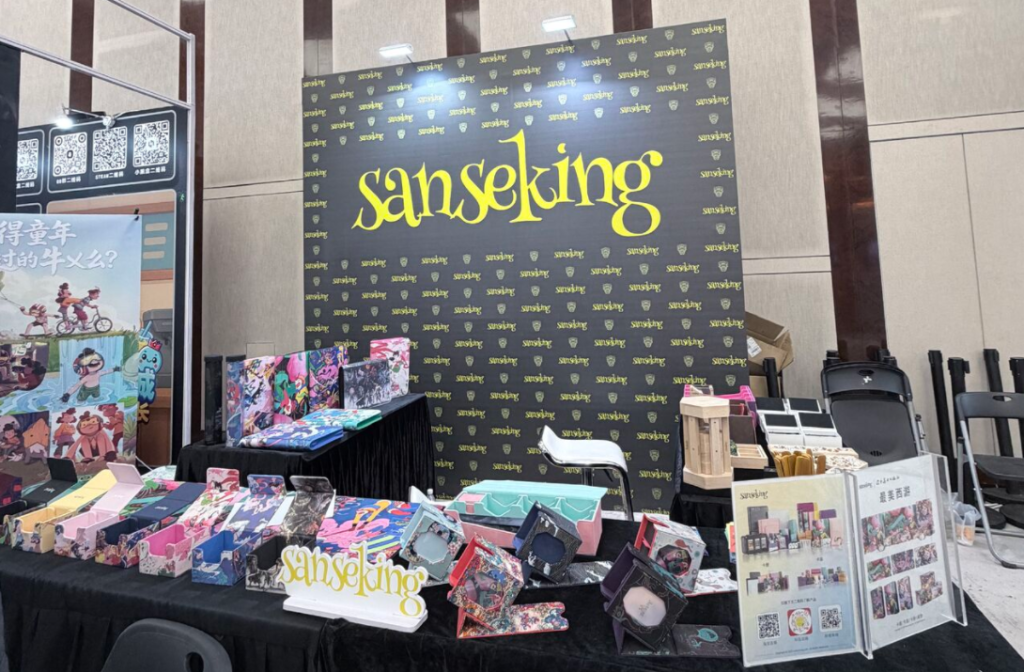
It’s easy to assume that everything in this industry is moving online. Marketplaces, breaks, communities—most of it happens digitally now.
But events like this remind you why offline still matters.
There’s a big difference between seeing a product on a screen and holding it in your hand. The same goes for conversations. A five-minute face-to-face discussion often replaces dozens of online messages.
For us, some of the most valuable moments weren’t big or dramatic. They were small conversations:
You don’t get that level of honesty online.
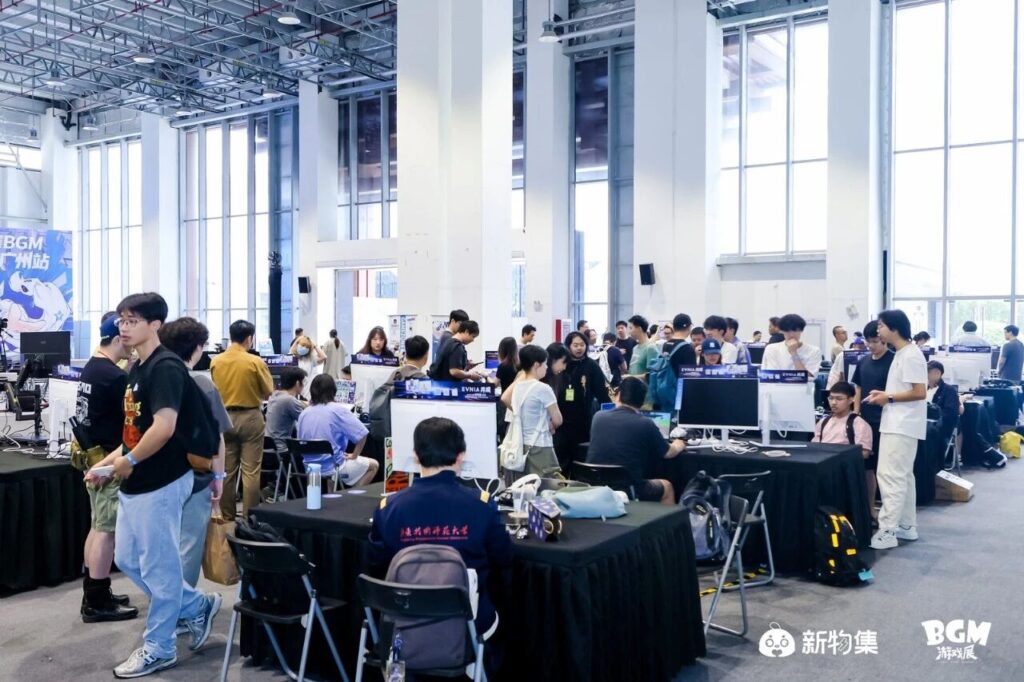
Since many of our partners are based in Europe, it’s worth sharing a bit of context.
The Chinese card market is still growing, but it’s not growing in the same way it did a few years ago. The “fast expansion” phase is slowing down, and things are becoming more structured.
What does that mean in practice?
In other words, it’s becoming more similar to mature markets—just at a different speed and scale.
For European distributors, this is actually relevant. Trends that stabilize here often appear in other regions sooner or later.
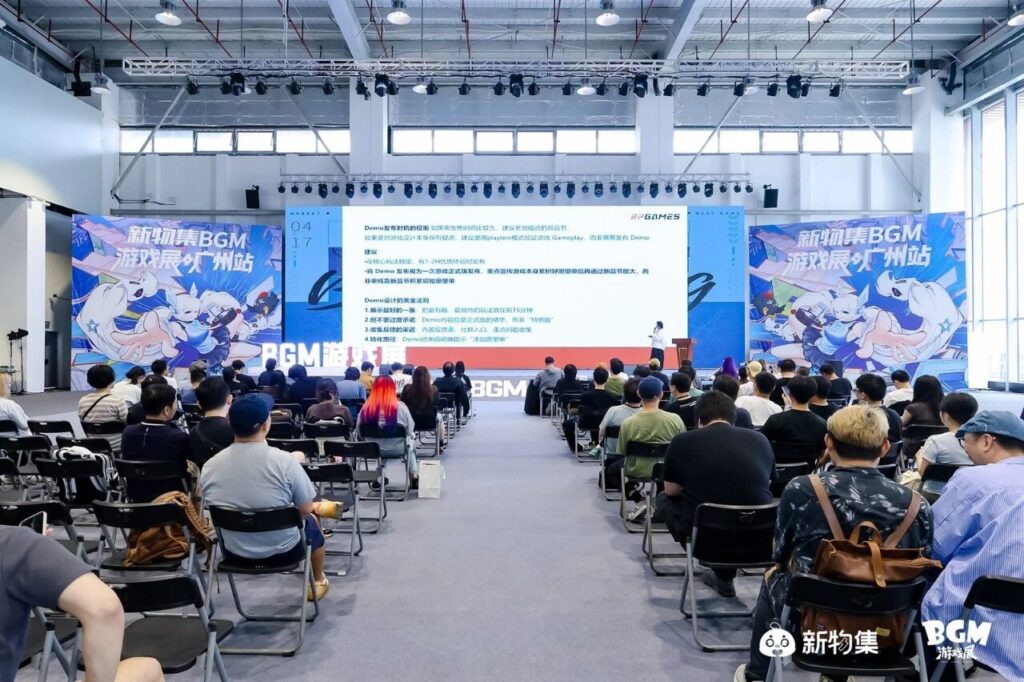
If we had to sum up the weekend in one sentence, it would be this:
The hobby is becoming more serious, even if the atmosphere still feels casual.
People are enjoying themselves, but they’re also paying attention. They care about what they buy, who they buy from, and how products perform over time.
For us, the feedback we received was straightforward and consistent. Our products were well received, which is always good to see—but more importantly, the conversations behind that feedback were constructive.
That’s what makes events like this worth attending.
We don’t see events like BGM Game Expo as isolated moments. They’re more like checkpoints.
They give you a snapshot of where the market is right now:
And right now, the direction is quite clear.
Less noise, more focus.
Less volume, more quality.
We’ll be continuing to attend shows like this, not just to present products, but to stay close to the people who actually use them.
Because in the end, that’s what keeps the business grounded.