Error: Contact form not found.
A binder, a small box, maybe a protective sleeve or two. At that stage, storage is simple, and the focus is purely on collecting.
But over time, things change.
Collections grow. Cards become more valuable. Grading becomes part of the process. And eventually, for many collectors, the hobby extends beyond personal enjoyment — into trading, showcasing, or even participating in card shows.
It’s at this stage that a new kind of problem emerges.
Not about the cards themselves — but about everything around them.
How do you carry them?
How do you organize them?
And perhaps most importantly, how do you present them?
These are not separate questions. Yet, for a long time, they have been treated that way.
Anyone who has attended a trading card show — whether as a vendor, collector, or exhibitor — will recognize a familiar pattern.
Preparation starts days in advance. Cards are selected, sorted, and packed. Protective cases are checked. Inventory is finalized.
But once everything is packed, a series of compromises begins.
You might use a storage box that maximizes capacity, but makes it difficult to access specific cards quickly.
Or you might bring display stands that look great on a table, but take extra time to set up and require separate transportation.
In many cases, people end up bringing multiple solutions:
Each serving a purpose, but none fully connected.
This fragmentation creates friction at every stage:
Over time, these small inefficiencies add up.
And for those who attend shows regularly, they become part of the routine — accepted, but rarely questioned.
The root of the issue lies in how most accessories are designed.
Storage products are typically optimized for capacity and protection.
Display products are optimized for visibility and presentation.
Mobility, on the other hand, is often an afterthought.
This creates a disconnect.
A storage box might hold hundreds of graded cards, but offers no intuitive way to present them.
A display stand might elevate a few key pieces, but doesn’t scale for larger collections.
And traditional trolley cases, while helpful for transport, are rarely designed with card organization or display in mind.
The result is a workflow that feels pieced together rather than intentional.
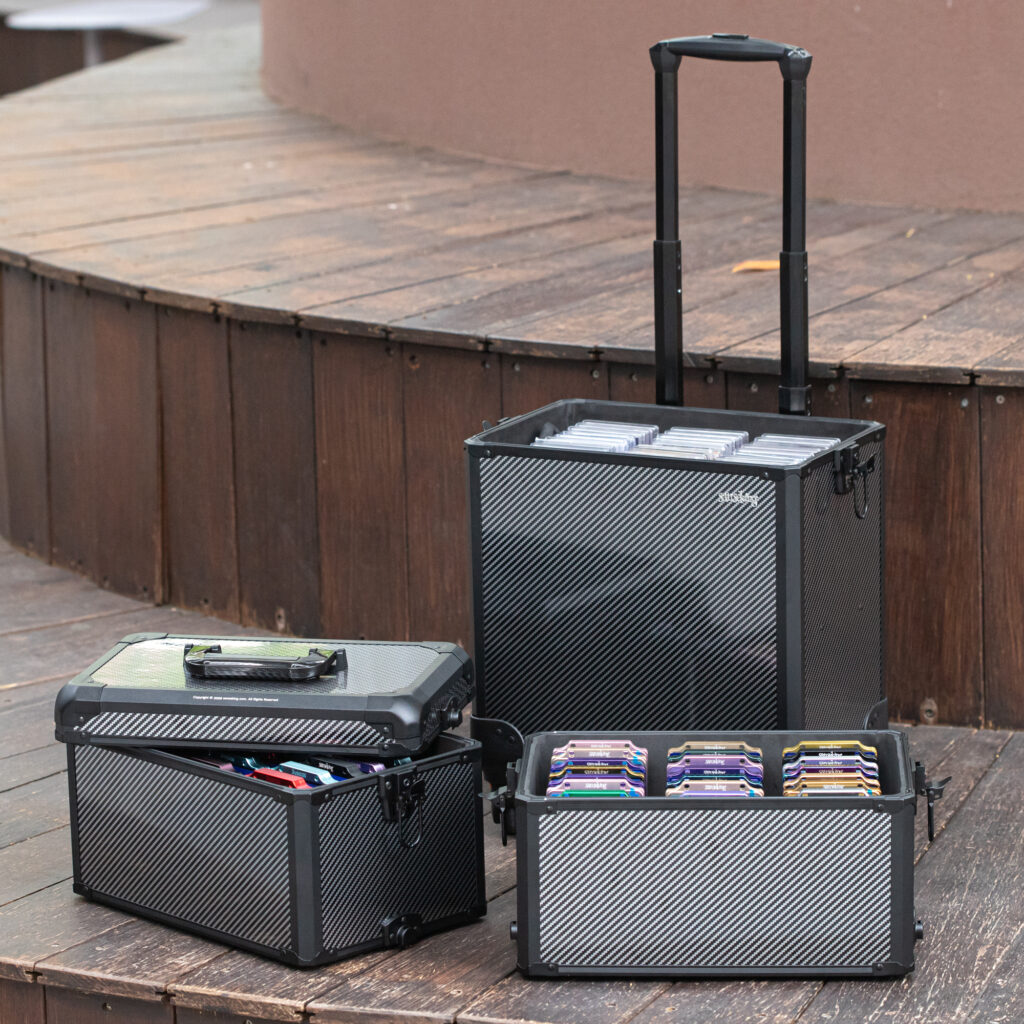
What if these functions were not treated separately?
What if storage, transport, and display were considered as part of a single system?
This shift in thinking changes the design process entirely.
Instead of asking:
“What makes a better storage box?”
or
“What makes a better display stand?”
The question becomes:
“What actually happens from the moment a collector packs their cards to the moment they present them?”
This includes:
Each step is connected.
And any inefficiency in one step affects the rest.
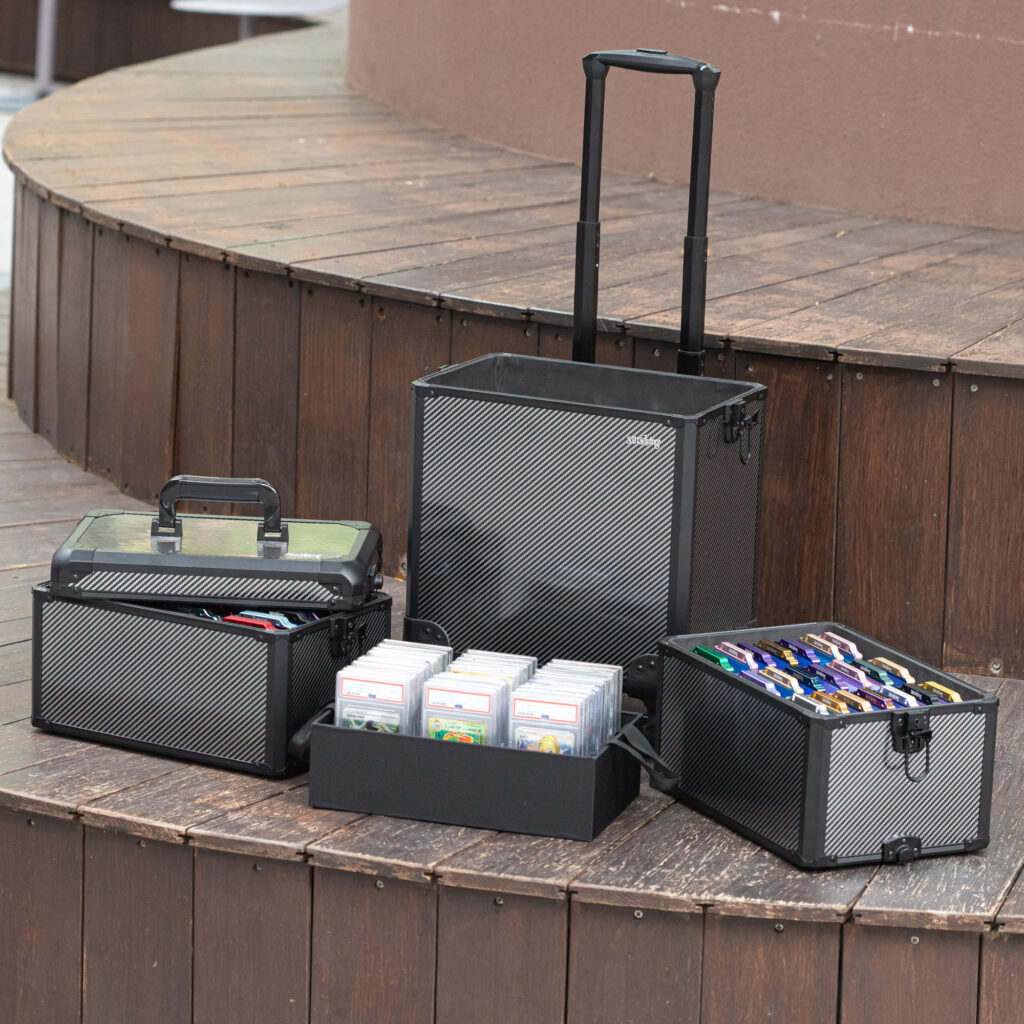
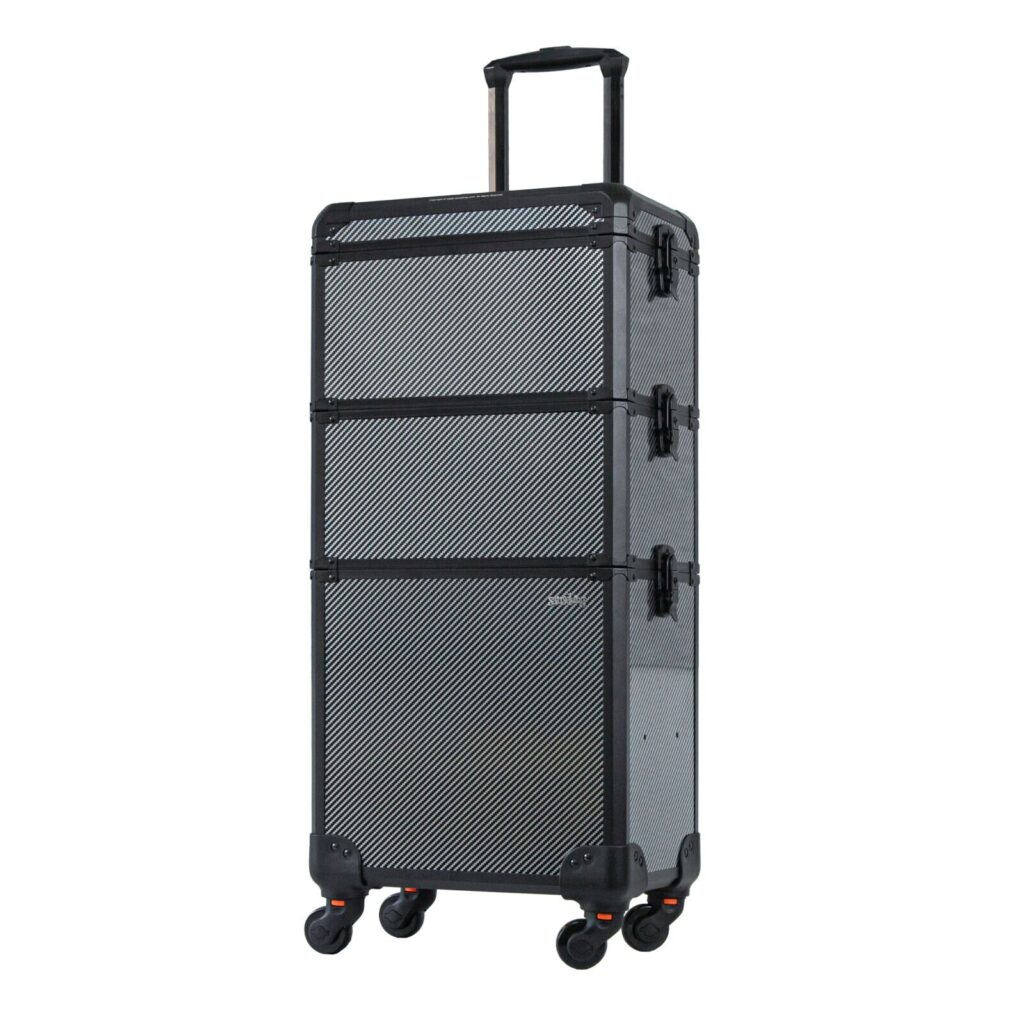
This is the context in which products like the ExpoRoller 4-Tier Graded Card Display Trolley Case begin to make sense.
Rather than focusing on a single function, it approaches the problem as a sequence of real-world actions.
At its core, the concept is simple:
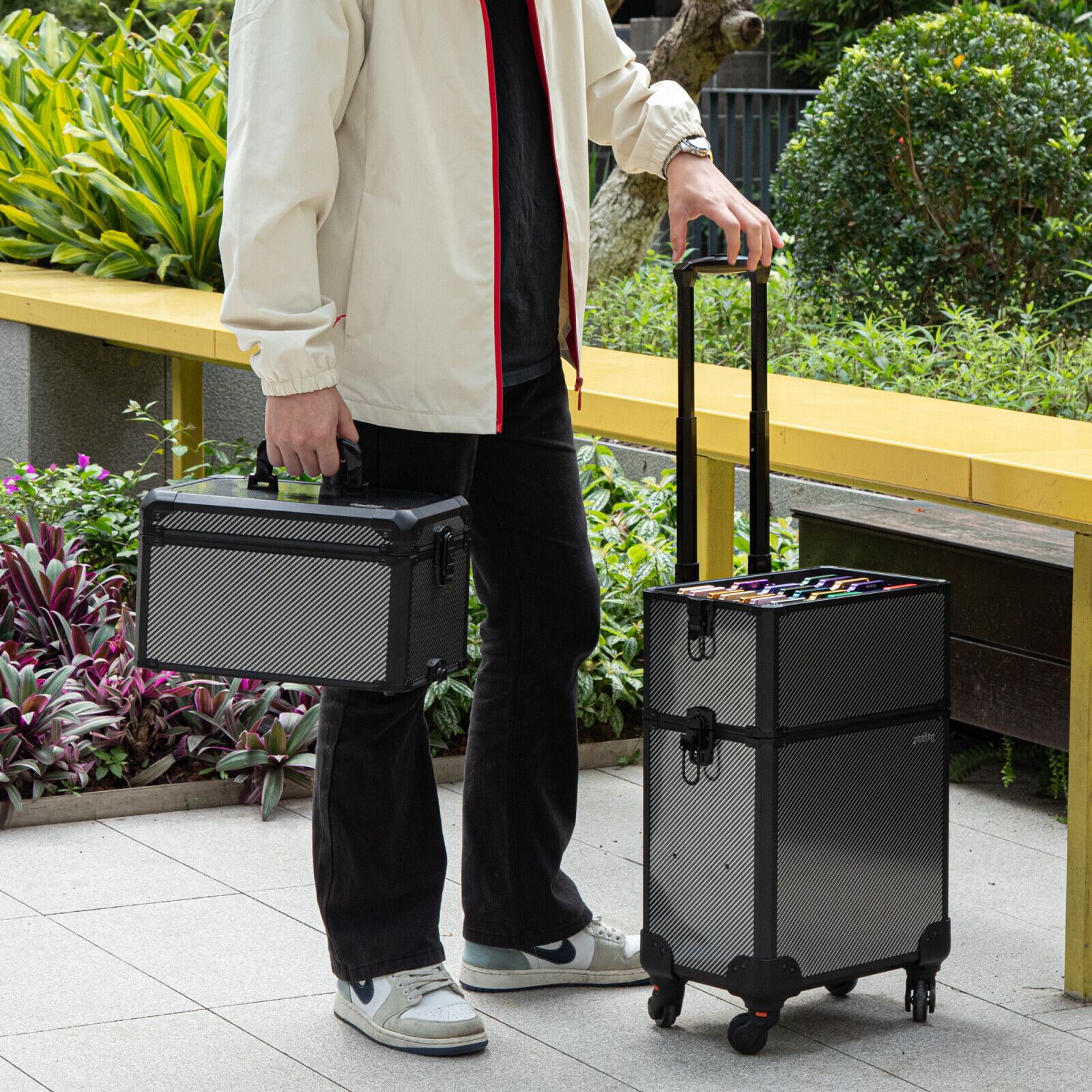
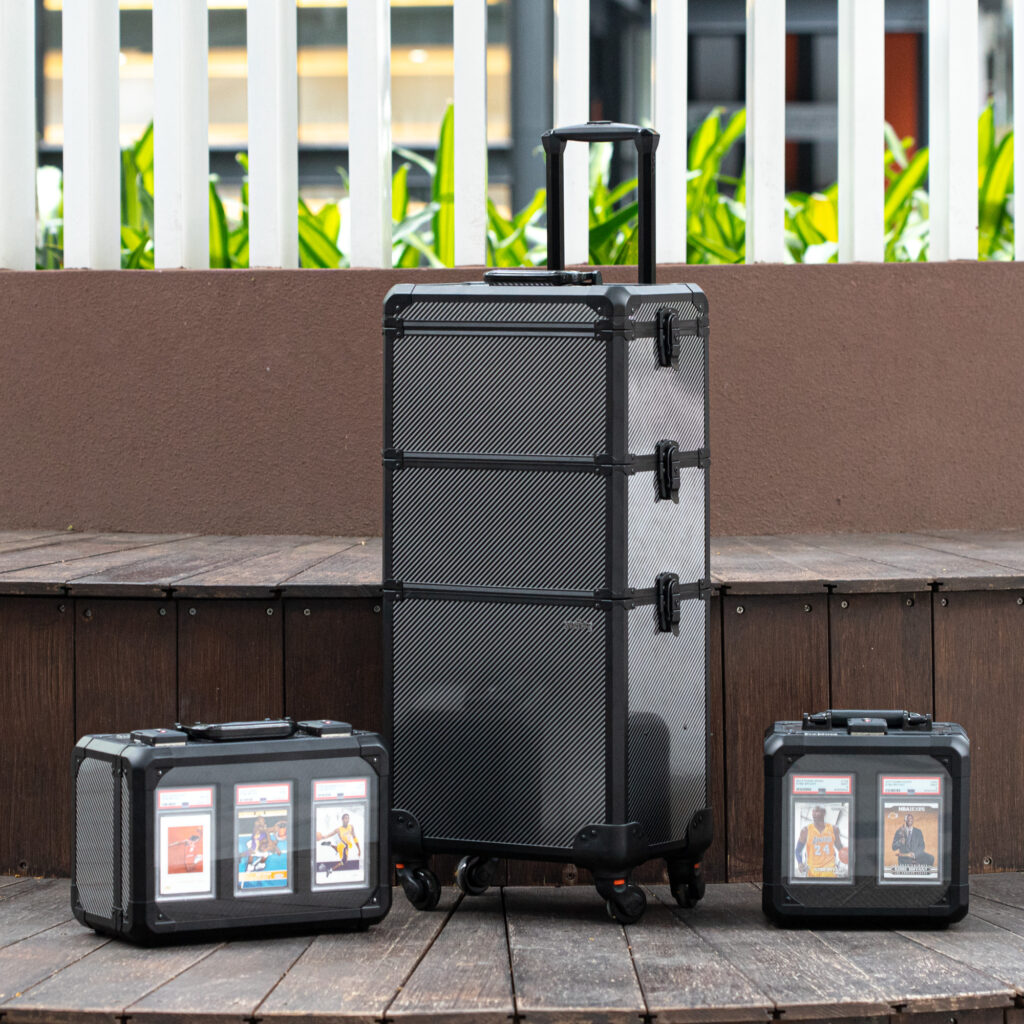
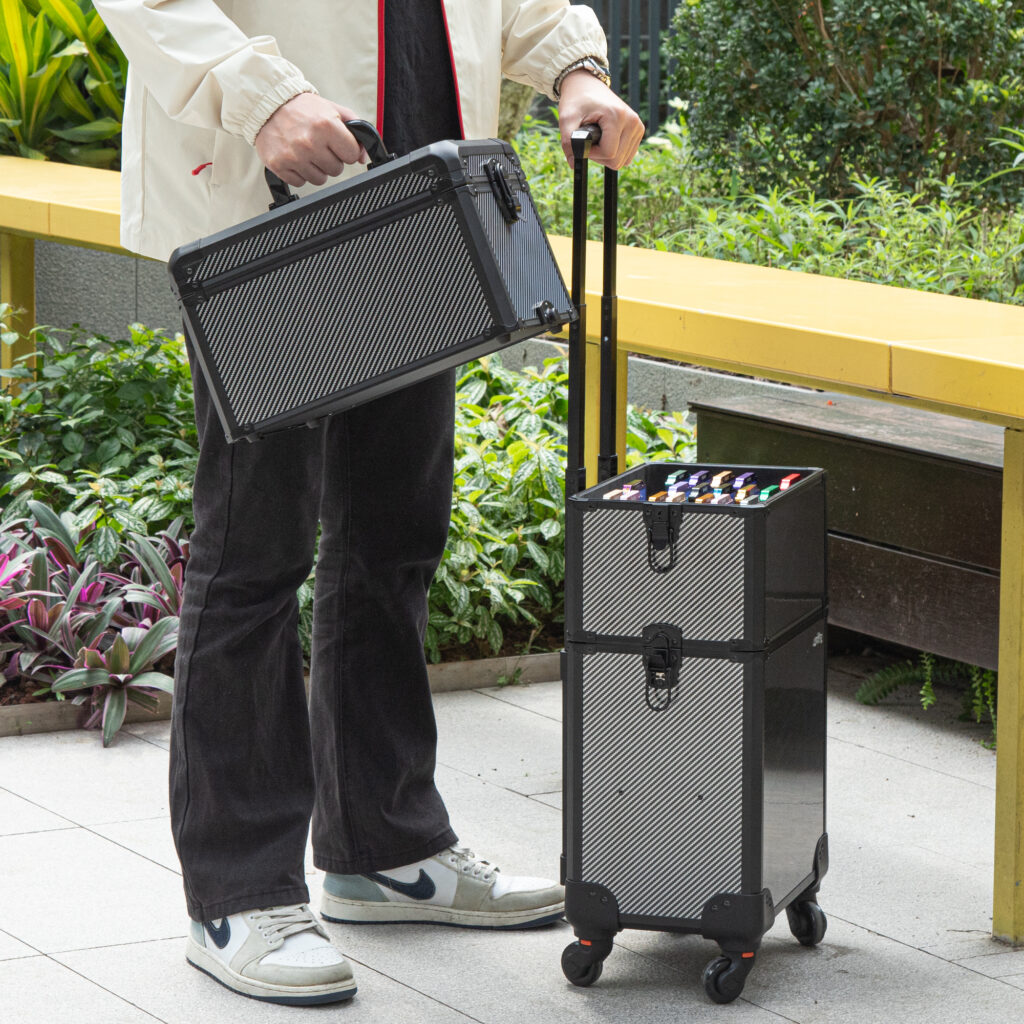
A single unit that can store, transport, and display graded cards — without requiring separate setups.
But the execution lies in the details.
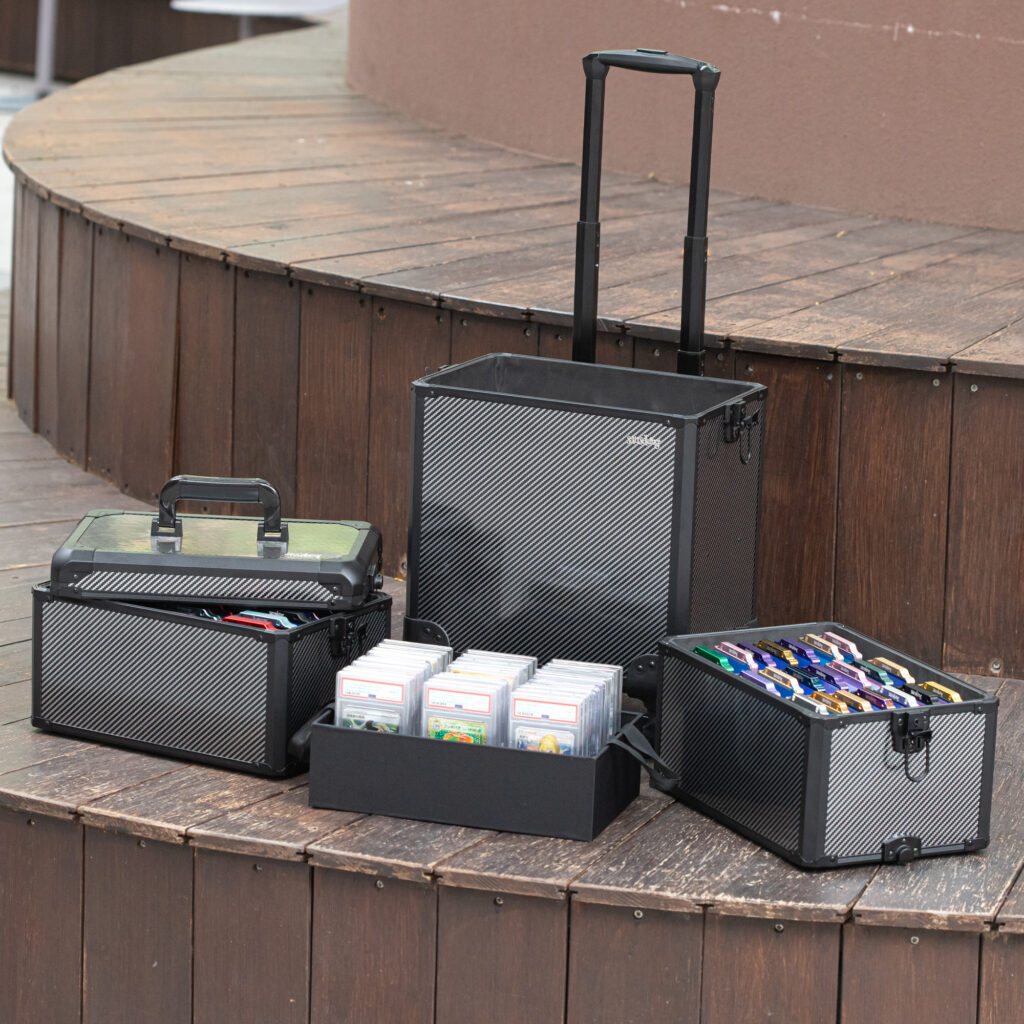
One of the key elements is its four-tier structure.
Instead of placing all cards into a single compartment, the system divides them into layers. Each tier can be used to organize cards by category, value, set, or priority.
This creates immediate advantages:
More importantly, the tiers are removable.
This flexibility allows users to adapt the structure depending on the situation:
Rather than forcing a fixed configuration, the system adjusts to the user’s needs.

Capacity is often discussed in abstract numbers.
But in practice, what matters is whether a product can support a realistic setup.
In this case, the ability to hold approximately 150 PSA graded cards (35PT) strikes a balance.
It is large enough to support a meaningful display or inventory selection.
At the same time, it remains manageable in terms of weight and mobility.
This balance is important.
Too small, and it limits participation.
Too large, and it becomes difficult to handle.
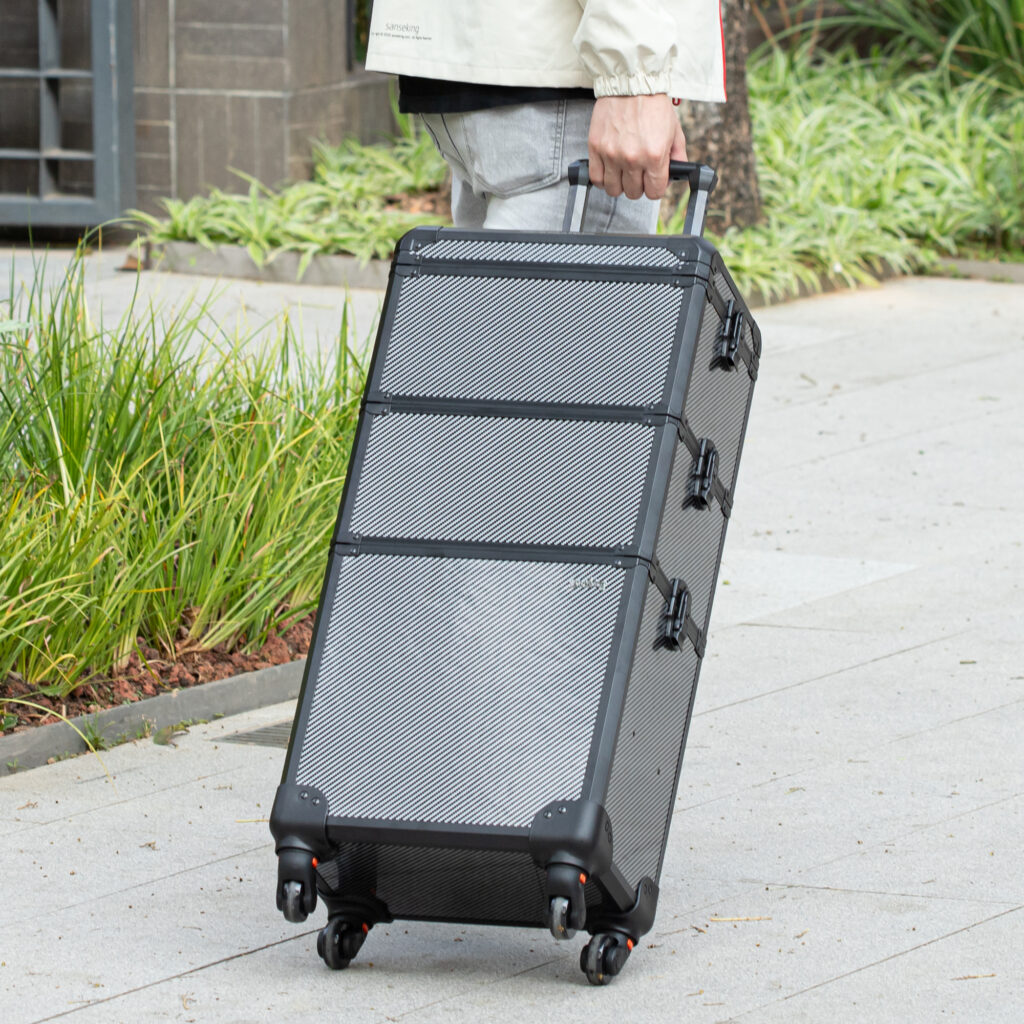
Transportation is often underestimated.
Moving through a crowded venue, navigating narrow aisles, and setting up within limited time windows all require equipment that responds smoothly.
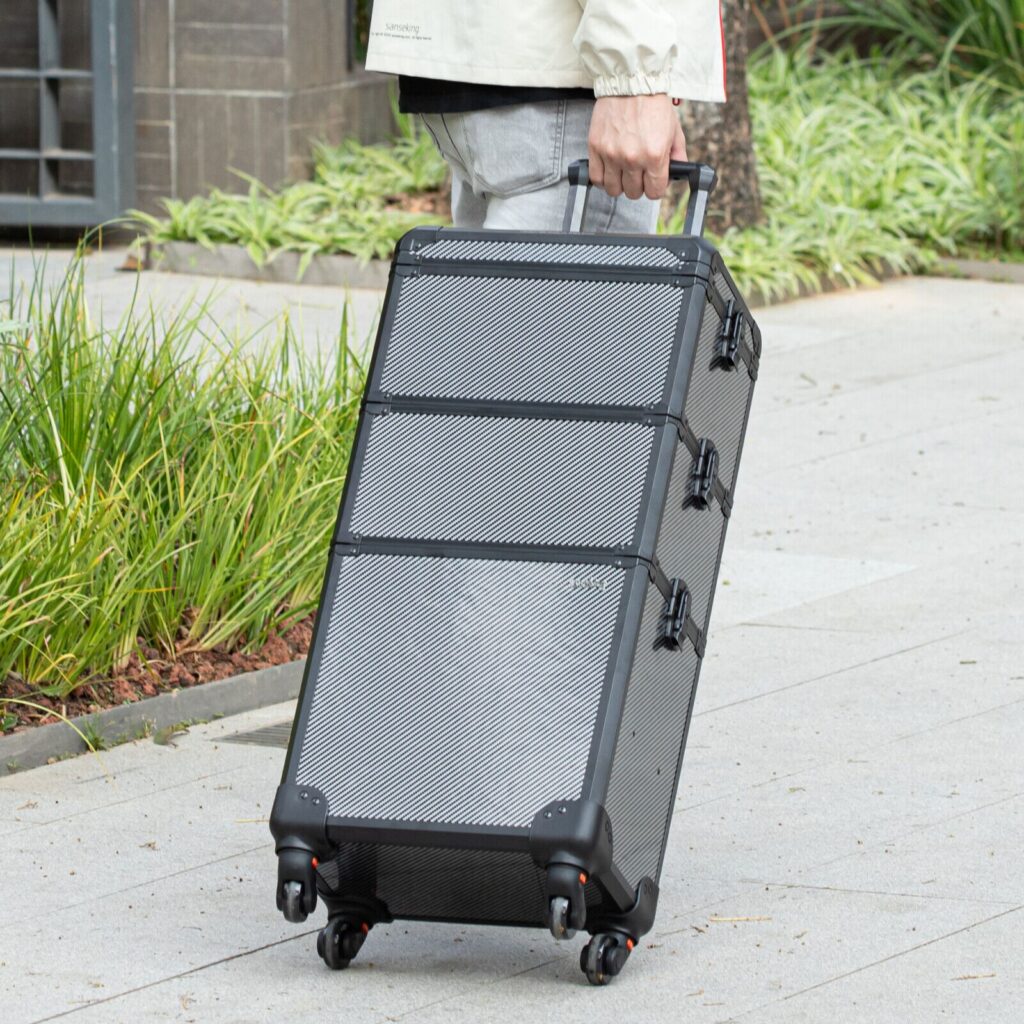
Features like silent universal wheels and smooth bearings may seem like minor technical details.
But in practice, they influence the entire experience:
Mobility is not just about getting from point A to point B.
It’s about doing so efficiently and comfortably, especially under time pressure.

The use of an aluminum frame is another important aspect.
Durability is essential when dealing with graded cards, particularly during transport.
A rigid outer structure helps protect contents from impact, while also maintaining the integrity of the internal layout.
At the same time, weight must be considered.
An overly heavy case defeats the purpose of mobility.
This balance between strength and usability is a key part of functional design.
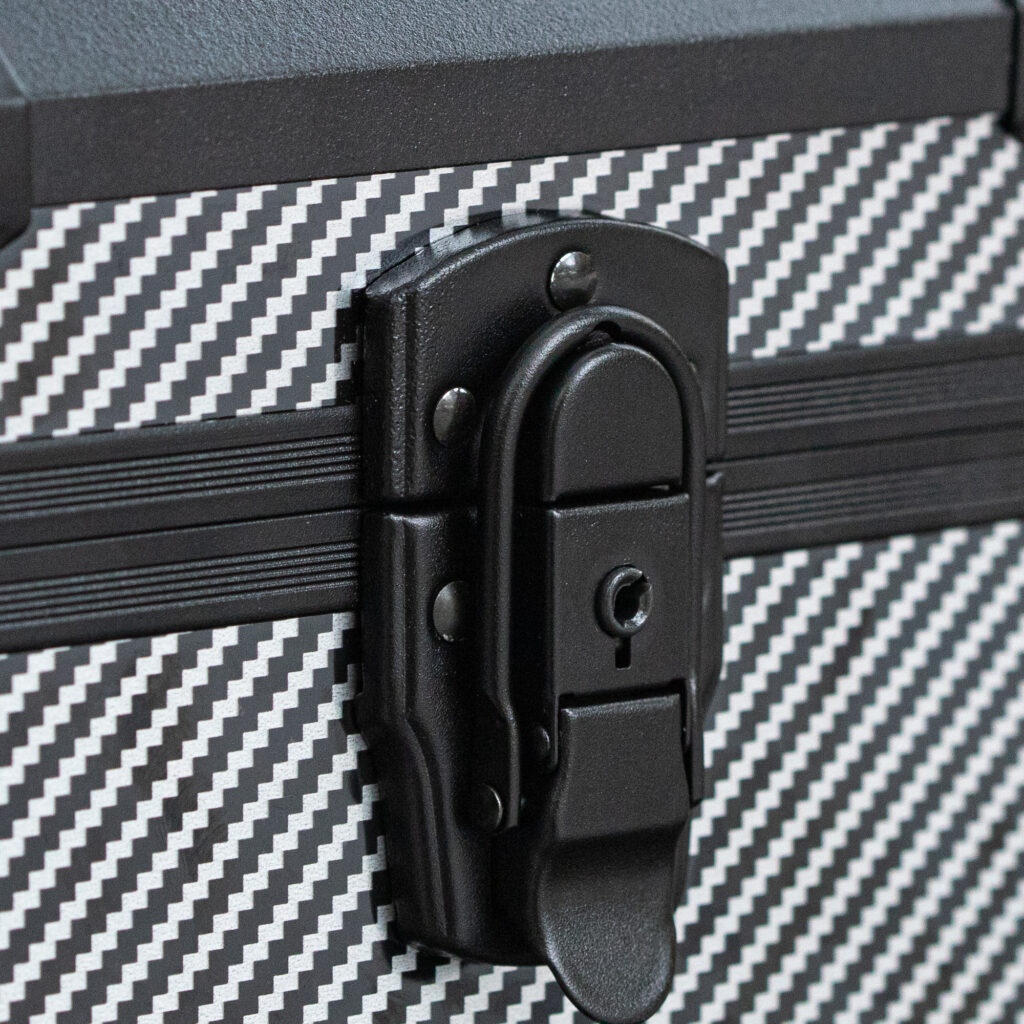
One of the most overlooked aspects of card show preparation is setup time.
Events often have limited windows for vendors to prepare their tables.
Every extra step — assembling stands, arranging items, adjusting layouts — adds pressure.
A quick-assembly design addresses this directly.
Instead of unpacking and rebuilding a display from scratch, users can transition from transport mode to display mode with minimal effort.
This not only saves time, but also reduces the likelihood of mistakes or damage during setup.
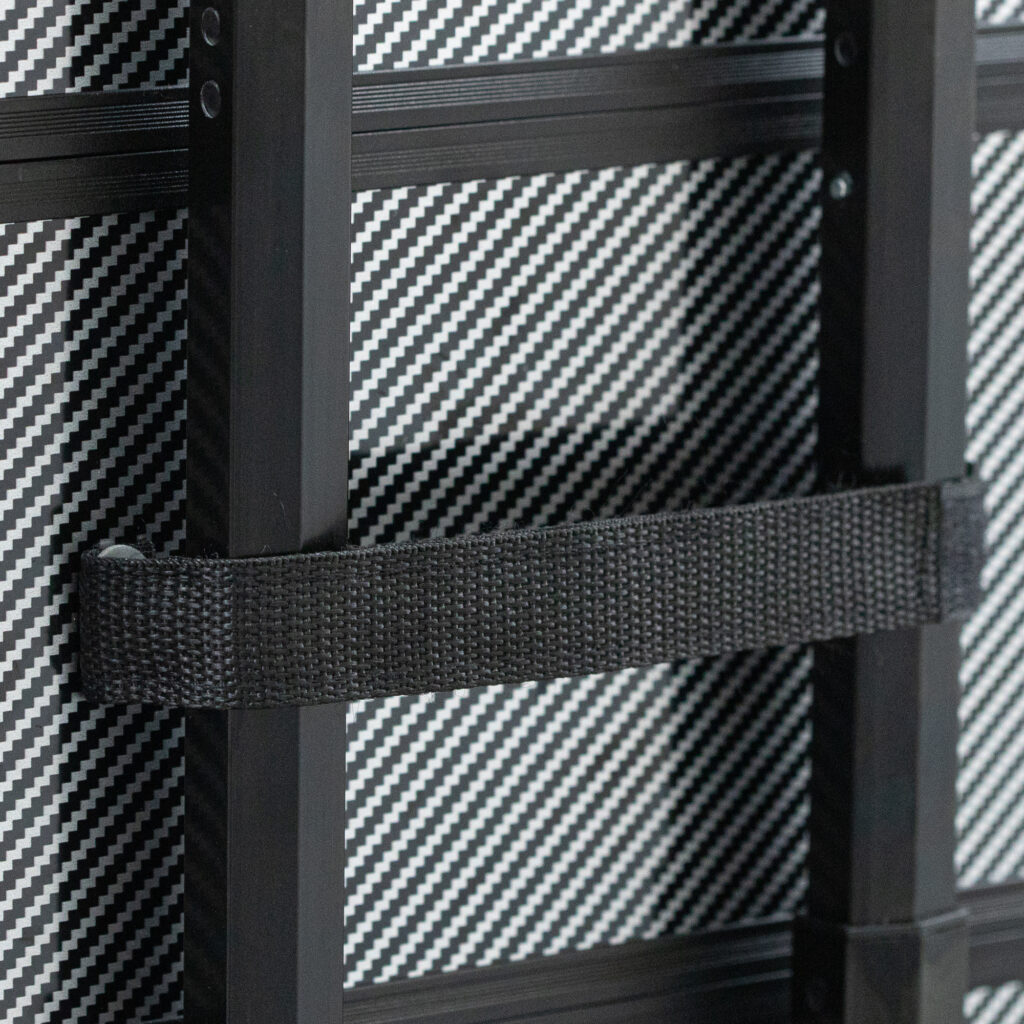
Card shows are public spaces.
With high-value items involved, security becomes a practical concern.
Features like built-in locks provide an additional layer of protection, particularly during transport or temporary storage.
While no solution is absolute, integrated security helps reduce risk and offers peace of mind.
What’s perhaps most interesting is not the feature set itself, but how such a product comes to exist.
In many industries, new products are driven by trends or visual differentiation.
But in this case, the direction appears to come from repeated, real-world feedback.
Collectors, vendors, and store owners often face the same challenges:
When these patterns repeat across different markets and environments, they begin to shape product development.
Rather than inventing a new category, the goal becomes refining an existing experience.
While individual collectors may benefit from such systems, the implications extend further.
For stores and distributors participating in events, consistency matters.
A structured display system can:
It also supports scalability.
As inventory grows, having a standardized way to manage and present products becomes increasingly valuable.
It would be easy to describe this as just another accessory.
But that would miss the point.
The significance lies not in any single feature, but in how those features work together.
By connecting storage, transport, and display into a unified system, the overall experience becomes smoother.
And in environments where time, space, and presentation all matter, that smoothness is meaningful.
As the trading card industry continues to grow, the expectations around accessories will likely evolve as well.
Collectors are becoming more organized.
Events are becoming more professional.
And the line between hobby and business continues to blur.
In this context, solutions that reduce friction — even in small ways — will play an increasingly important role.
Products like the ExpoRoller are not about changing the hobby.
They are about supporting how the hobby is already practiced.
And sometimes, that’s exactly what’s needed.