
Error: Contact form not found.
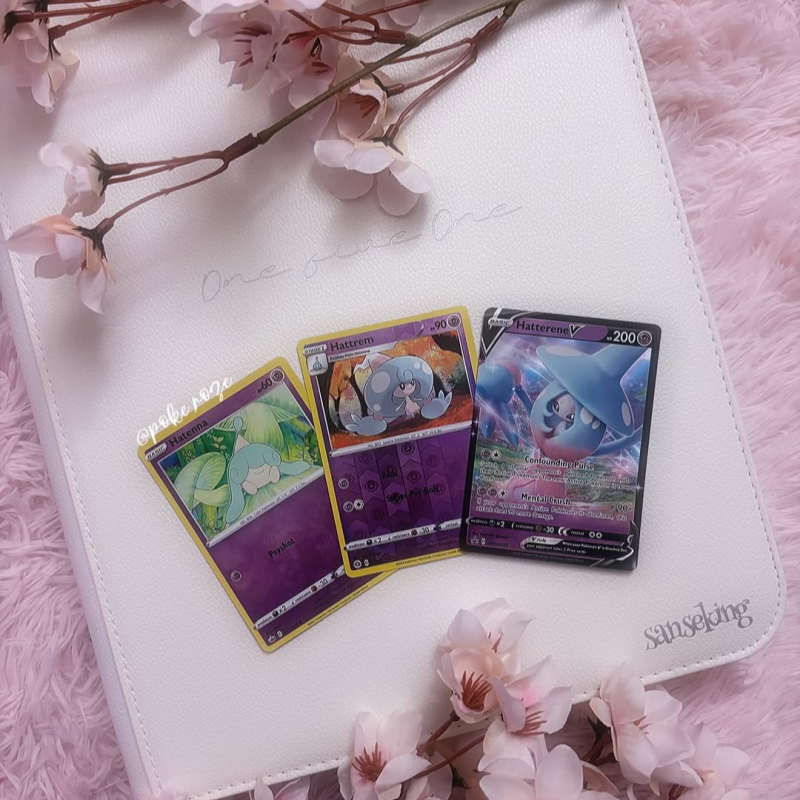
For Pokémon card collectors, a binder is more than just a storage solution — it’s the heart of how your collection is protected, organized, and enjoyed. Whether you’re a beginner just starting your journey with a few starter deck cards, a casual collector chasing your favorite Pokémon, or a serious enthusiast building a complete master set, the right binder can make all the difference. Conversely, choosing the wrong binder can lead to bent corners, damaged sleeves, or long-term wear and tear that diminishes the value of your cards — especially if you own rare or holographic pulls that hold both sentimental and monetary worth.
With so many binders on the market — from budget-friendly basic options to premium, collector-grade models — it’s easy to feel overwhelmed. This comprehensive guide breaks down the key factors to consider before choosing a Pokémon card binder, walking you through every detail you need to know to make an informed decision that aligns with your collection size, goals, and budget.
When it comes to Pokémon card binders, pocket size is non-negotiable — and 9-pocket binder pages have emerged as the universal standard for good reason. Most standard Pokémon trading cards (including modern TCG sets, vintage cards, and even most promotional cards) measure 2.5 x 3.5 inches, and 9-pocket pages are specifically designed to fit these cards perfectly, whether they’re sleeved or not.
But why do collectors swear by 9-pocket binders over other sizes (like 4-pocket, 6-pocket, or 12-pocket)? Let’s break down the key benefits:
First, they fit standard Pokémon cards with or without sleeves. If you use penny sleeves (thin, affordable protective sleeves) or perfect-fit sleeves (snug, precision-cut sleeves that hug the card tightly), 9-pocket pages have enough space to hold them without squeezing or warping the card. This is crucial for long-term protection, as tight pockets can cause corner stress or bend the edges of sleeved cards over time.
Second, the 9-pocket layout is ideal for set organization. Most Pokémon TCG sets are designed to be displayed in a grid format, and 9-pocket pages let you arrange cards in numerical order, making it easy to track which cards you have and which you’re still chasing. The clean, uniform layout also makes flipping through your collection a pleasure — no more struggling to see small details or dealing with cards that shift around when you turn the page.
Finally, 9-pocket binders are efficient for all types of collectors. Casual collectors will appreciate how they can fit a decent number of cards without the binder becoming too bulky, while master set builders will find that 9-pocket pages make it easy to organize even large sets (like the 151-card Scarlet & Violet base set) in a single binder. Unless you’re collecting oversized Pokémon cards (like jumbo promos), 9-pocket binders are the most versatile and practical choice.
Once you’ve settled on 9-pocket pages, the next big decision is choosing between side-loading and top-loading pages. This is one of the most common questions new collectors ask, and the answer depends on your priorities: protection vs. convenience.
Let’s start with side-loading binder pages. As the name suggests, these pages have openings on the side (either left or right) where you slide your cards in. The biggest advantage of side-loading pages is their superior protection — since the opening is on the side, there’s almost no risk of cards falling out, even if you accidentally tip the binder over or flip pages too quickly. This makes them ideal for long-term storage, especially if you have valuable or rare cards that you want to keep in pristine condition.
Side-loading pages also reduce wear on the card edges. When you insert a card into a side-loading page, you’re less likely to rub the edges against the plastic, which can cause fraying or discoloration over time. For collectors focused on preserving their cards’ condition (like master set builders or vintage card collectors), side-loading pages are the clear winner.
On the other hand, top-loading binder pages have openings at the top, making it faster and easier to insert cards. If you’re a frequent trader or someone who adds new cards to their collection often, top-loading pages can save you time — you don’t have to flip the page sideways to slide in a card. However, top-loading pages do come with a slight risk: if you store your binder vertically (like on a shelf), cards can shift downward and potentially fall out if the pages are loose or the binder is jostled. They also put a bit more stress on the top edge of the card when inserting, which can be a concern for valuable cards.
For most collectors — especially those who prioritize protection over speed — side-loading pages are the safer choice. If you’re a casual collector who doesn’t mind a little extra care, top-loading pages can be convenient, but they’re not recommended for rare or holographic cards.
Another key factor to consider is the binder’s structure: ring binder or fixed-page binder. Each has its own pros and cons, and the right choice depends on how you use your collection.
Ring binders are the most popular option for Pokémon collectors, and for good reason. They’re flexible and expandable — you can add or remove pages as your collection grows, which is perfect for beginners who are just starting out or collectors who frequently rearrange their sets. Ring binders also let you customize your setup: you can mix and match 9-pocket pages with other page sizes (if needed) or add dividers to separate different sets, types, or rarities.
However, not all ring binders are created equal. To avoid damaging your cards, look for binders with high-quality rings — preferably D-rings or O-rings that close tightly and don’t warp. Cheap ring binders with flimsy rings can cause pages to shift, which can bend cards or damage sleeves over time. It’s also important to choose a ring binder with a sturdy cover (hardcover is best) to protect the pages inside from bumps and scratches.
Fixed-page binders (also known as “album-style” binders) have pages that are permanently attached to the spine, rather than removable. The biggest advantage of fixed-page binders is their clean, sleek appearance — there are no gaps between pages, and the binder looks more like a book than a storage tool. They also eliminate the risk of ring pressure, which can sometimes bend cards if the rings are too tight or the pages are overstuffed.
The downside of fixed-page binders is their limited capacity. Once the pages are full, you can’t add more — so you’ll need to buy a new binder if your collection grows. They’re also less flexible for rearranging cards, which can be frustrating if you’re a collector who likes to organize and reorganize their sets frequently. Fixed-page binders are best for collectors with small, curated collections or those who prioritize aesthetics over flexibility.
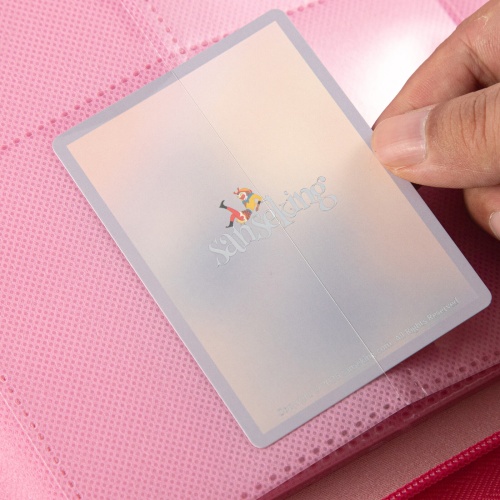
One of the most common misconceptions among new collectors is that sleeved cards won’t fit in binders. The truth is: they absolutely can — but not all binders and pages are designed to accommodate sleeved cards. If you use penny sleeves, perfect-fit sleeves, or even double sleeves (for extra protection), it’s crucial to choose binder pages that are specifically made for sleeved cards.
First, look for binder pages labeled “sleeved card compatible” or “fits sleeved cards.” These pages have slightly larger pockets than standard pages, giving your sleeved cards room to fit comfortably without being squeezed. If you use double sleeves (a penny sleeve plus a perfect-fit sleeve), you may need to look for “extra-wide” pockets to avoid warping the cards or damaging the sleeves.
It’s also important to avoid pages that are too tight. Tight pockets can cause corner stress, bending, or even tearing of the sleeves, which defeats the purpose of using sleeves in the first place. When testing a binder page, slide a sleeved card into the pocket — it should fit easily, with a small amount of room to spare, but not so much that the card shifts around excessively.
High-quality binder pages (made from thick, clear plastic) will hold sleeved Pokémon cards comfortably without warping or yellowing over time. Avoid cheap, thin plastic pages, as they can become brittle and crack, exposing your cards to damage. Remember: the goal of using a binder with sleeved cards is double protection — so don’t cut corners on page quality.
The best Pokémon card binder isn’t a one-size-fits-all solution — it should match your collecting style and goals. Here’s a breakdown of what to look for based on how you collect:
Casual Collectors: If you’re new to Pokémon TCG or collect just for fun (not for completion or value), a lightweight, budget-friendly binder is perfect. Look for a basic ring binder with standard 9-pocket pages (top-loading is fine for casual use) and a softcover or thin hardcover. You don’t need to splurge on premium features — just something that keeps your cards organized and protected from dust and damage.
Master Set Builders: If your goal is to complete full master sets (every card in a set, including rare, holographic, and secret rare cards), you’ll need a high-capacity binder with side-loading pages. Choose a sturdy hardcover ring binder with D-rings (for durability) and extra-wide pages that fit sleeved cards. You may also want to add dividers to separate different subsets (like common, uncommon, rare, and secret rare) to make organization easier.
Traders: If you frequently trade cards with other collectors, look for a durable binder that opens flat. This makes it easy to flip through pages and show off your cards without the binder closing on its own. A ring binder with side-loading pages is ideal (to prevent cards from falling out during trades), and a water-resistant cover is a bonus for when you’re trading at events or conventions.
Vintage or Valuable Card Collectors: If you own vintage Pokémon cards (like 1999 Base Set) or high-value holographic cards, invest in a premium binder. Look for acid-free, archival-quality pages (to prevent yellowing and deterioration) and a rigid hardcover to protect against bumps and scratches. Side-loading pages are a must, and you may even want to use double sleeves with extra-wide pages for maximum protection.
Matching your binder to your collecting style helps avoid unnecessary upgrades later. There’s no need to buy a premium binder if you’re a casual collector, just as a basic binder won’t cut it for a master set builder.
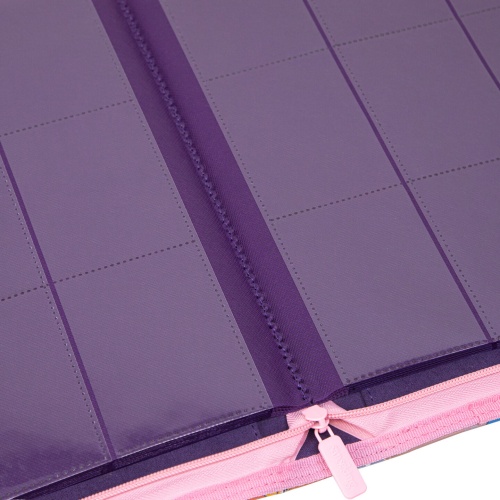
At the end of the day, the best Pokémon card binder is the one that balances protection, organization, and usability. It should keep your cards safe from damage, make it easy to organize and access your collection, and fit your budget and collecting goals.
Remember: your binder is an investment in your collection. A well-chosen binder will protect your cards for years to come, preserving their condition and value. Take the time to consider pocket size, loading style, binder structure, and your collection goals — it’s worth it to get it right the first time.
A well-chosen binder doesn’t just store your Pokémon cards — it showcases them. It turns a pile of cards into a cherished collection, one that you can flip through, share with friends, and pass down for years. Whether you’re just starting out or have been collecting for decades, the right binder will make your Pokémon collecting journey even more enjoyable.