
Error: Contact form not found.
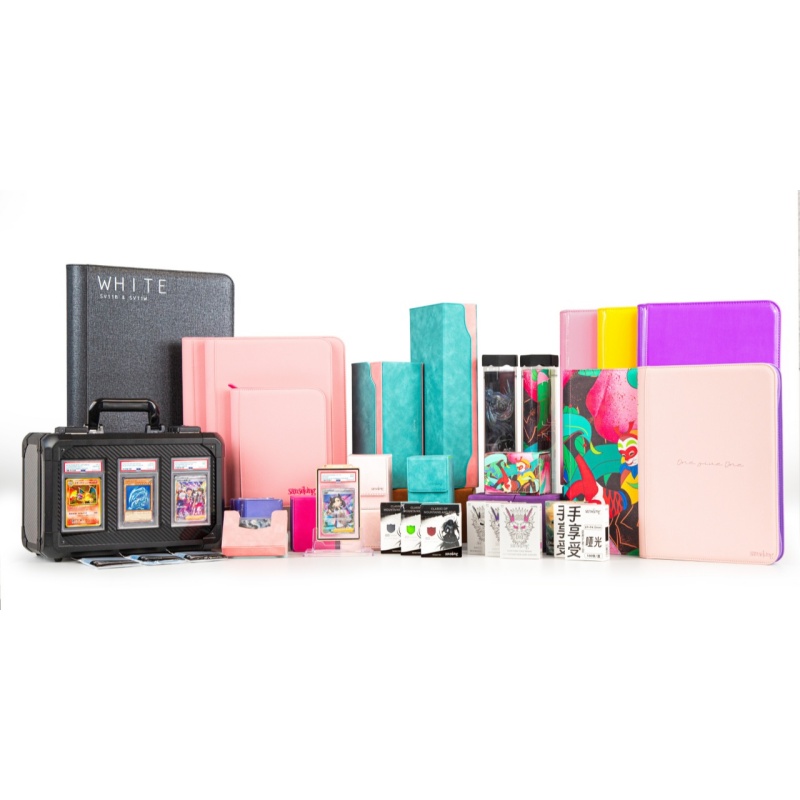
In TCG, board game, and collectibles, most brands are built around a single promise: do one thing exceptionally well. That approach has shaped the modern hobby market. Some companies are known for sleeves, others for storage, others for display or event accessories. Over time, players and collectors have learned to mix and match, assembling their setups from half a dozen different sources.
That model works — but it isn’t always efficient.
Sanseking takes a different position. Instead of defining itself by one product category, it focuses on the entire lifecycle of play, storage, transport, and collection. The goal isn’t to replace specialists or compete on hype, but to provide a coherent, dependable ecosystem that supports how people actually engage with games and collectibles in real life.
This distinction matters more than it may seem at first glance.
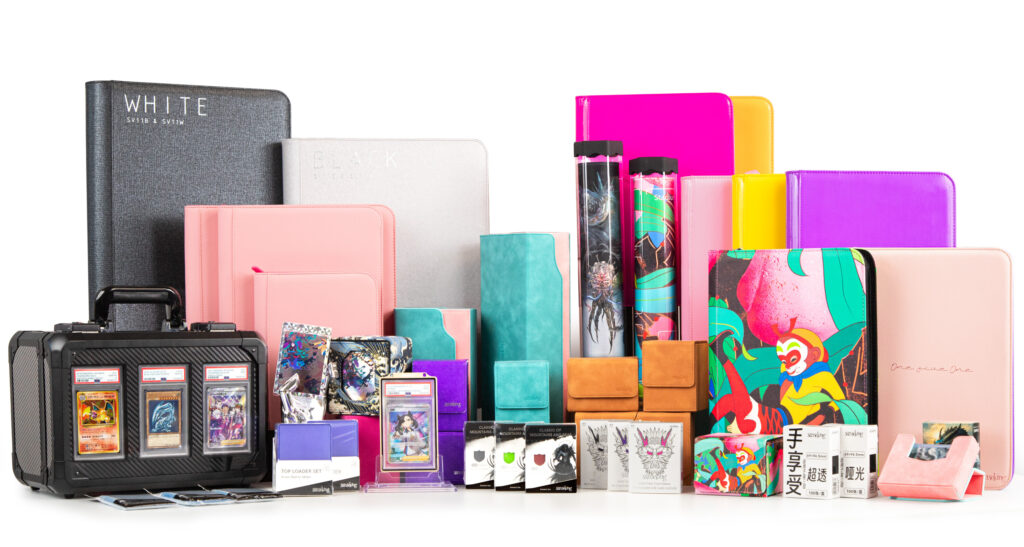
For players and collectors in Europe and North America, the hobby experience is rarely linear. A single card may move through multiple stages:
Each stage demands different forms of protection, organization, and presentation. Historically, the market has addressed these needs through separate verticals, each optimized in isolation.
The result is a fragmented ecosystem:
From the consumer side, this often means compromise. From the retail side, it means operational complexity.
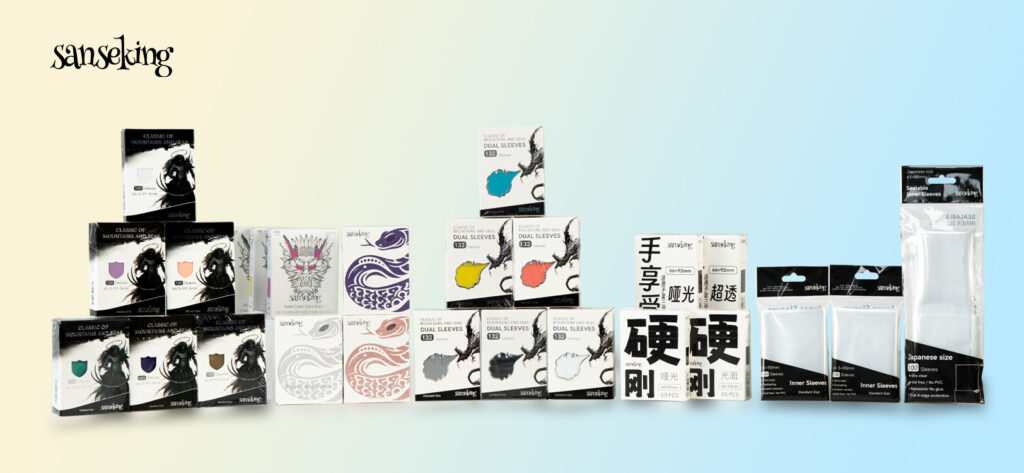
Sanseking’s philosophy starts with a simple question:
What does the hobby look like as a system, rather than a shelf of individual items?
Instead of asking “What product should we sell next?”, the approach asks:
When products are designed within the same system, they don’t just coexist — they support each other. Dimensions align more naturally. Materials age more consistently. Aesthetic choices feel intentional rather than accidental.
This kind of cohesion is subtle, but over time it becomes noticeable.
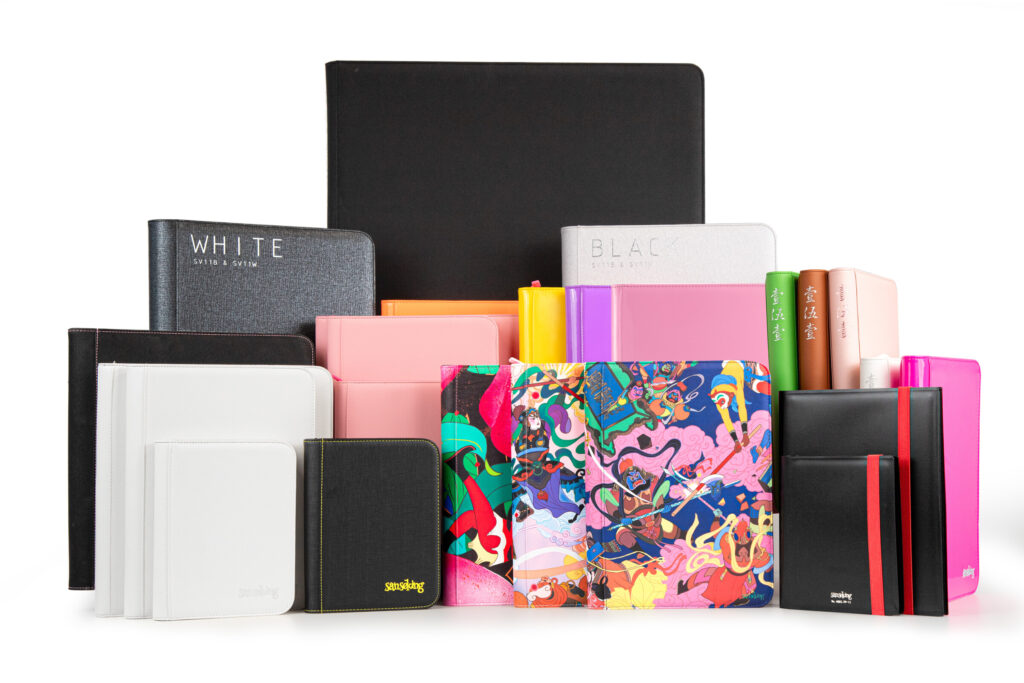
Competitive and casual players value reliability above novelty. When accessories behave predictably — shuffle feel, surface texture, fit, durability — players can focus on gameplay rather than equipment.
A unified ecosystem reduces variables. It means fewer surprises when upgrading, replacing, or expanding a setup.
Collectors think long-term. Materials, chemical stability, pressure points, and physical tolerance matter just as much as appearance.
A brand that understands both play-grade and preservation-grade needs can support the transition from active use to archival storage without forcing collectors to relearn compatibility rules at every step.
Retailers operate under different pressures: inventory turnover, shelf presentation, reorder reliability, and customer clarity.
Working with a supplier that covers multiple adjacent needs allows stores to:
This is especially valuable for independent game stores and online shops that don’t want to overextend on supplier relationships.
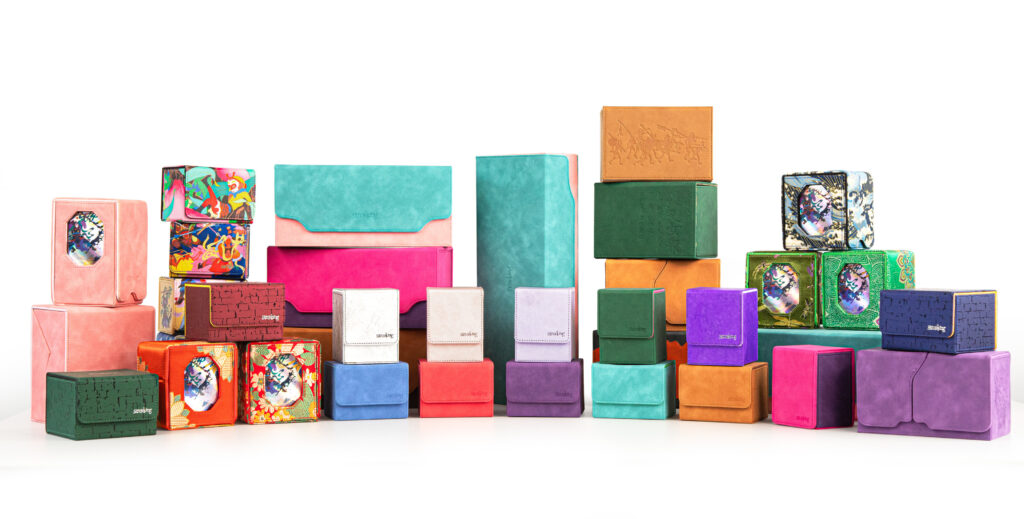
Tournaments, conventions, and community organizers need consistency at scale. Accessories used for prize support, participation packs, or merchandise need to be reliable, available, and repeatable year after year.
A full-range supplier can adapt to these needs more smoothly than a collection of single-category brands.
It’s important to be clear:
A full-category approach does not claim to replace every specialist product on the market.
Niche innovators and boutique creators often push boundaries in very specific areas — ultra-premium materials, experimental designs, or limited-edition art collaborations. Those contributions are essential to the hobby’s evolution.
Sanseking’s role is different. It provides a stable foundation: products that meet high functional standards across categories, integrate naturally with each other, and remain available over time.
For many users, that foundation is enough. For others, it becomes the backbone around which they add one or two specialist pieces.
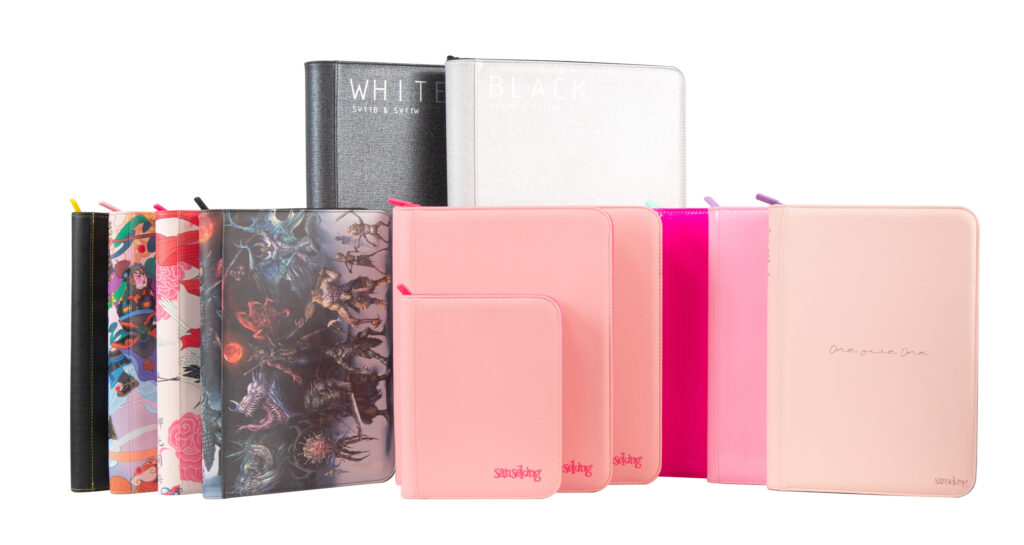
In hobby accessories, quality is often discussed in extremes — premium vs budget, professional vs casual. But there is another dimension that matters just as much: consistency.
Consistency means:
Achieving that level of consistency across multiple categories requires process discipline, long-term planning, and an understanding of how products interact beyond their individual use cases.
This is where a full-range strategy quietly shows its strength.
For Western markets, especially in Europe and North America, buying behavior is increasingly pragmatic. Customers care about:
Rather than chasing constant novelty, many players and collectors are looking for brands they can return to without re-evaluating everything from scratch.
A broad, well-integrated product ecosystem supports that mindset.
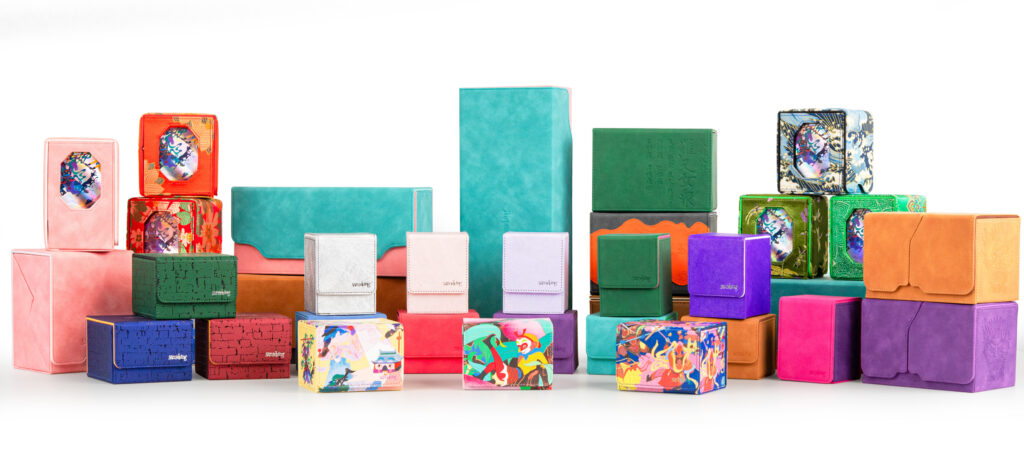
At its core, Sanseking is not defined by how many product categories it touches, but by how those categories connect.
By focusing on the full journey — from play to storage, from transport to display — the brand positions itself as a long-term partner rather than a one-off purchase. That approach doesn’t shout. It doesn’t rely on trend cycles. And it doesn’t require customers to memorize product trees.
Instead, it quietly answers a common need in the hobby world:
“Whatever stage I’m in right now, I don’t need to look elsewhere.”
In an industry built on passion, that kind of reliability earns trust over time — not through marketing claims, but through everyday use.