Error: Contact form not found.

In modern trading card games (TCGs), rarity is undeniably the star of the show. Limited print runs, elusive chase cards, ultra-rare secret rares, and exclusive promotional variants dominate every corner of the TCG community—they fill social media feeds with hype, drive millions of views for pack-opening videos, and spark endless debates among fans about which rare finds are the most coveted. For new and casual collectors alike, rarity is the ultimate benchmark: it’s the reason they tear open booster packs with bated breath, trade with friends for hours, and hunt through marketplaces to complete their sets. Rarity is the spark that ignites passion for TCGs, the first thing that draws people into the hobby and keeps them coming back for more. But among seasoned collectors, competitive tournament players, and those who’ve built their collections over decades, a quieter, more profound truth emerges with time: rarity is nothing more than a hollow label without proper protection. A rare card unguarded is a treasure left out in the rain—doomed to fade, fray, and lose everything that makes it special.
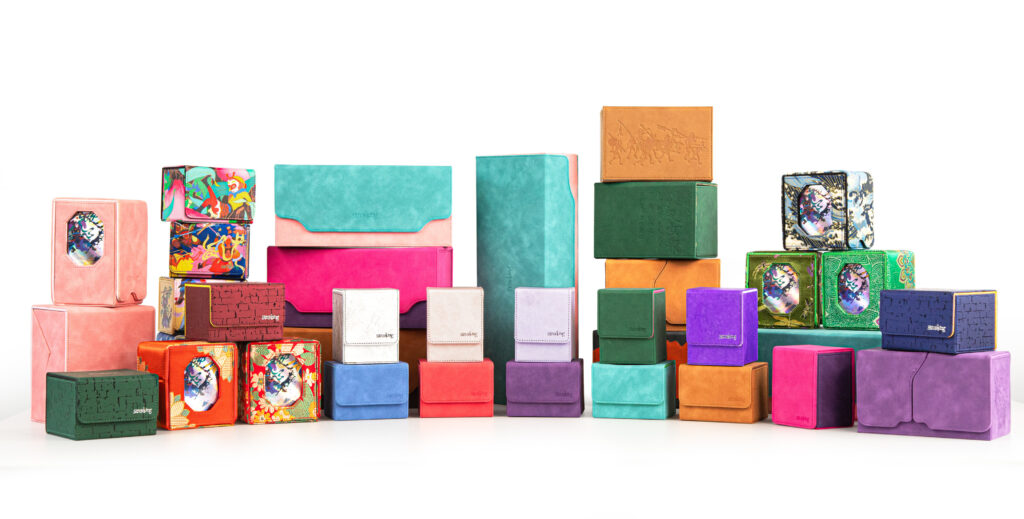
A rare card that isn’t properly protected is quite literally a ticking clock, its condition eroding with every passing day and every careless touch. Edges dull from being slid into deck boxes or stacked haphazardly, surfaces scratch from contact with unlined cases or rough handling, corners soften and crease from accidental drops or improper storage. Even the smallest blemish—a tiny scuff on the artwork, a slightly rounded corner, a faint edge wear—can alter a card’s fate entirely. Once damage appears, the card’s value, both financial and emotional, slips away far faster than most people anticipate. A mint-condition rare card might fetch hundreds or even thousands of dollars on the secondary market, but the same card with minor damage could be worth a fraction of that—if it finds a buyer at all. Rarity can make a card desirable, but it’s pristine condition that makes it valuable, and protection is the only way to hold onto that condition for the long haul.
Rarity creates value, but protection is the only thing that preserves it. This is the golden rule of TCG collecting, a truth that experienced hobbyists live by. Rarity might determine how hard a card is to pull from a pack or how rare it is to find in the wild, but it’s protection that dictates how long that hard-won value survives. A card that’s kept in premium sleeves, stored in acid-free binders, and handled with care can retain its mint condition for years, even decades—some vintage protected cards have even increased in value over time, becoming prized artifacts of the TCG world. On the flip side, a damaged copy of the same rare card, no matter how scarce it is, often languishes on marketplaces, overlooked by serious collectors and investors. Collectors who sleeve their cards the moment they pull them from a pack understand this instinctively. They aren’t being overly cautious or obsessive; they’re being realistic about the fragility of these paper treasures. Protection isn’t an act of fear—it’s an act of respect: respect for the time, money, and effort that went into acquiring the card, and respect for the card itself as a piece of art, a piece of the game’s lore, and a symbol of the hobby they love.
Modern TCGs add an extra layer of urgency to protection, because unlike the vintage cards of decades past—many of which were collected and immediately stowed away in shoeboxes or drawers—today’s cards are printed to be played. Modern TCG design is centered around active gameplay: deck shuffling, tabletop battles, local game store events, and high-stakes tournaments are the lifeblood of the hobby. These actions introduce constant friction and risk: cards slide against each other during shuffles, rub against table surfaces during play, get passed between players, and are jostled in deck boxes during travel. A card that’s left unsleeved for even a single tournament can emerge with scuffs, bent edges, or fingerprint smudges that permanently mar its condition. That’s why serious competitive players don’t just reach for any sleeves—they turn to high-quality, tournament-grade options like Ancient Dragon Matte Thick Card Sleeves, designed to stand up to the rigors of constant handling. Matte finishes cut down on glare during gameplay, making it easier to read card text and appreciate artwork, while thick, durable material resists tearing, bending, and wear. For modern players, protection isn’t an optional extra—it’s an essential part of the gameplay experience. It ensures that their prized deck cards stay in playable condition, game after game, tournament after tournament, without sacrificing the cards they’ve worked so hard to build their decks around.

When it comes to a card’s long-term value, condition is the silent deciding factor—and it often outweighs rarity in the eyes of serious collectors. Consider two identical rare cards, pulled from the same booster pack on the same day. One is immediately double-sleeved (a practice where a card is first placed in a soft inner sleeve for ultimate protection, then a rigid outer sleeve for durability), stored in a climate-controlled card box, and handled only with clean hands. The other is tossed bare into a plastic deck box, shuffled unsleeved for casual games, and left on coffee tables or in backpacks for weeks at a time. Years later, the difference between the two is night and day. The protected card remains sharp, flat, and clean, its artwork vibrant, its edges crisp, its corners unrounded—indistinguishable from the day it was pulled. The unprotected card, however, bears the marks of neglect: faded artwork, dulled edges, a crease on the corner, surface scratches that catch the light. Rarity didn’t change for either card—they’re still the same scarce variant—but their conditions could not be more different, and their values reflect that. For collectors, rarity is a starting point, but condition is what makes a card a true treasure. A common card in perfect mint condition can even hold more value than a rare card in poor condition, a fact that underscores just how vital protection is to the hobby.
Protection is not just about preserving financial value, either—emotional value deserves the same care and consideration. Not every card in a collector’s set is a high-dollar rare meant for resale. Many cards hold deep personal meaning: a first-place trophy card from a player’s first tournament win, a favorite character card that sparked their love for the game, a rare gift from a friend or family member who shares their hobby, or a card that marks a special moment in their TCG journey. These cards are irreplaceable, their value measured not in dollars and cents, but in memories and sentiment. Damage to these cards doesn’t just reduce a price tag—it erases those moments, turning a cherished memento into a damaged piece of paper. Protection allows collectors to enjoy these meaningful cards without anxiety: sleeves, acid-free binders, and sturdy deck boxes turn fragile paper into something durable enough to be loved, to be displayed, to be shared with friends, and to be passed down for years. When a card is protected, collectors can hold it, look at it, and revisit those precious memories without fear of ruining something irreplaceable—and that’s a kind of value that no rare card can ever buy.
One of the biggest mistakes new collectors make is waiting until a card feels “valuable enough” to protect. They’ll leave a newly pulled rare card unsleeved for weeks, telling themselves they’ll “get around to it” when it’s worth more, or that a little wear and tear doesn’t matter. But by the time they decide the card is worth protecting, it’s often too late: a small scuff, a rounded corner, or a bent edge has already marred its condition, and that damage is permanent. Experienced collectors know better: they build protection into their routine from day one, treating every card—whether a common commons or a once-in-a-lifetime secret rare—with the same care. They sleeve every card the moment it leaves the booster pack, store their collection in proper cases, and handle all their cards with clean hands. Protection isn’t a reaction to a card’s growing value; it’s a habit, a daily practice that becomes automatic. When protection is second nature, rarity stops being a risk and starts being a bonus: collectors can enjoy the thrill of pulling a rare card without the stress of worrying about ruining it, knowing that they’ve already taken the steps to keep it safe for years to come.
In the end, rarity may be what attracts attention to a trading card, but protection is what determines its legacy. The cards that survive the test of time, the cards that become prized pieces of collections, the cards that are talked about and admired for decades—these are not just the rarest cards. They are the cards that were cared for, the cards that were protected, the cards that were loved beyond the hype of their rarity. Rarity is a fleeting thrill, a moment of excitement when a booster pack is opened and a rare find is revealed. But protection is the quiet commitment that turns that fleeting thrill into a lifelong treasure. For TCG collectors and players, the message is clear: chase the rare cards, celebrate the finds, and embrace the hype—but never forget to protect what you love. Because a rare card without protection is just a moment. A protected card is a legacy.