Error: Contact form not found.
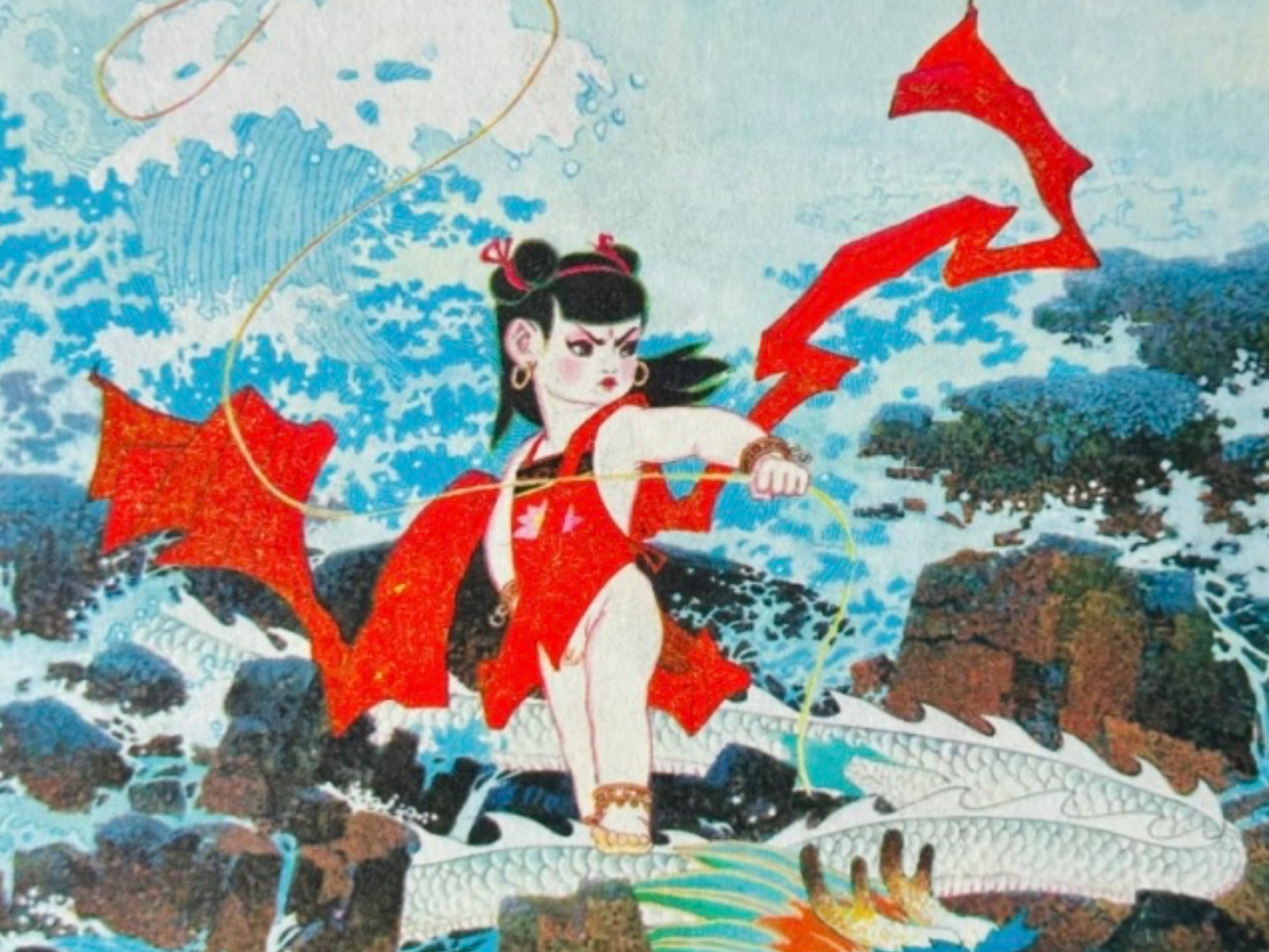
Chinese mythology has never lacked heroes.
What it has often lacked—especially outside China—is patience.
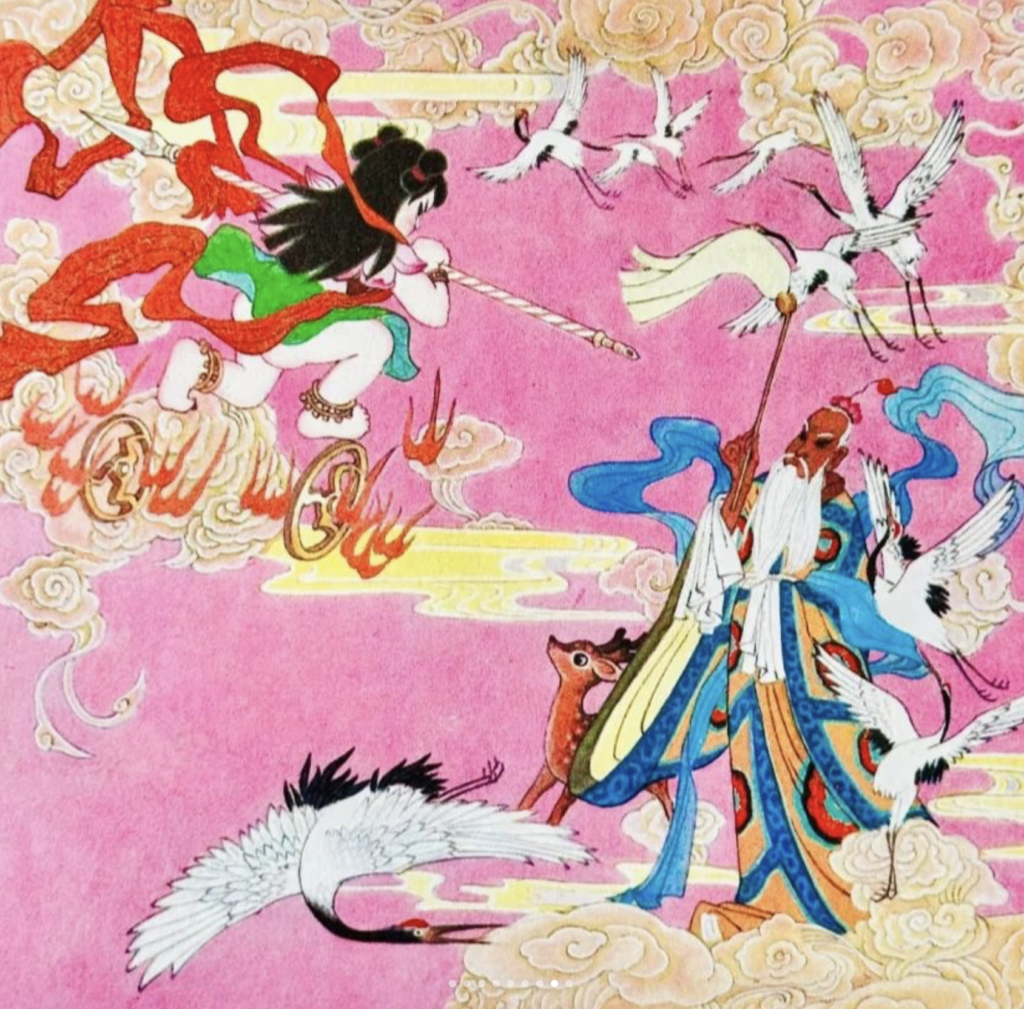
For many international audiences, Nezha is familiar as a rebellious child: fire wheels beneath his feet, supernatural strength, striking imagery. He is instantly recognizable, visually powerful, and easy to consume.
But that version is only the surface.
The Nezha we chose to work with comes from a much earlier source—long before animation studios, pop reinterpretations, or the concept of “IP” itself. It comes from a visual tradition that was never designed to be simplified.
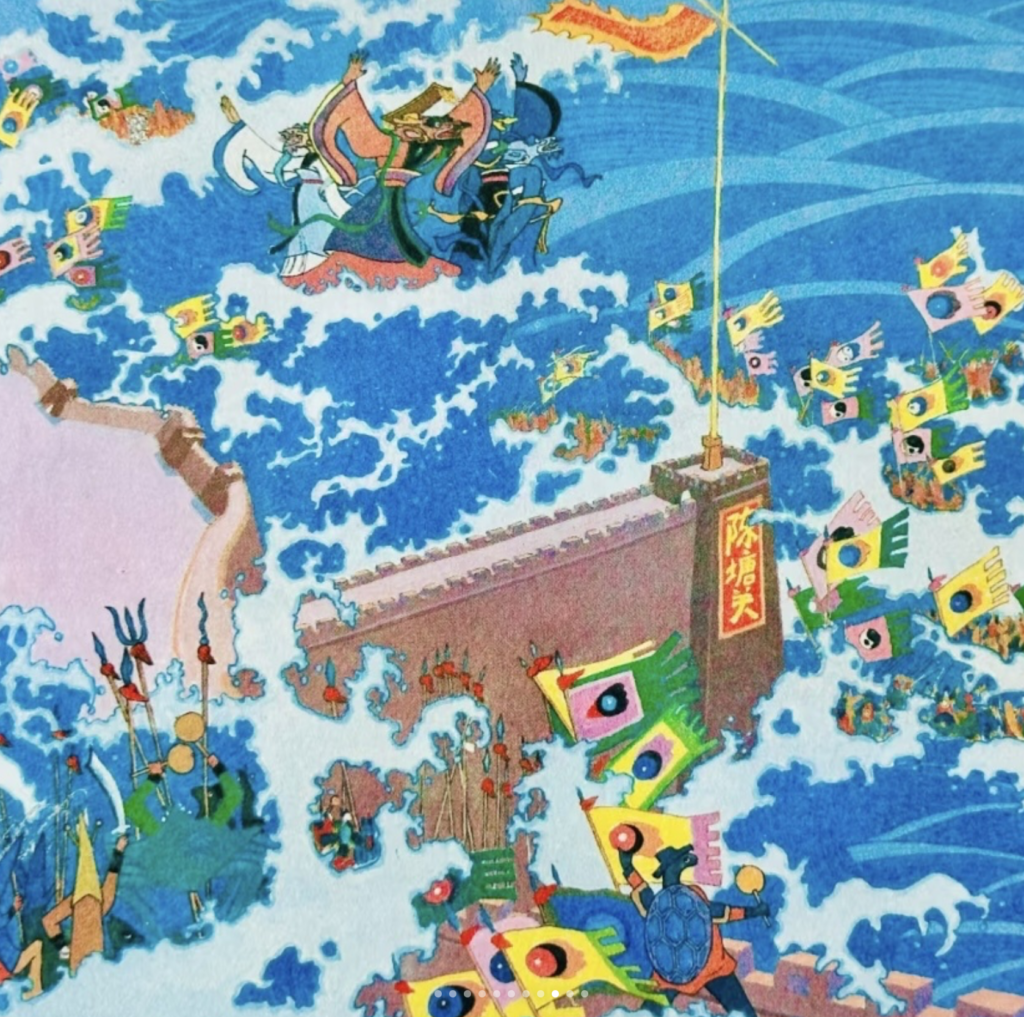
Nezha Conquers the Sea is not a story about victory.
In its original form, it is unsettling. A child challenges an authority far greater than himself, triggers irreversible consequences, and ultimately takes responsibility in the most extreme way imaginable. There is no clean triumph, no easy moral resolution.
In traditional Chinese culture, the sea represents an uncontrollable and distant force. The Dragon King who rules it is not merely a monster, but a system—one that ordinary people cannot easily confront.
Nezha’s rebellion is not a heroic spectacle.
It is a refusal to accept that power alone defines justice.
That is why the story has endured for centuries.
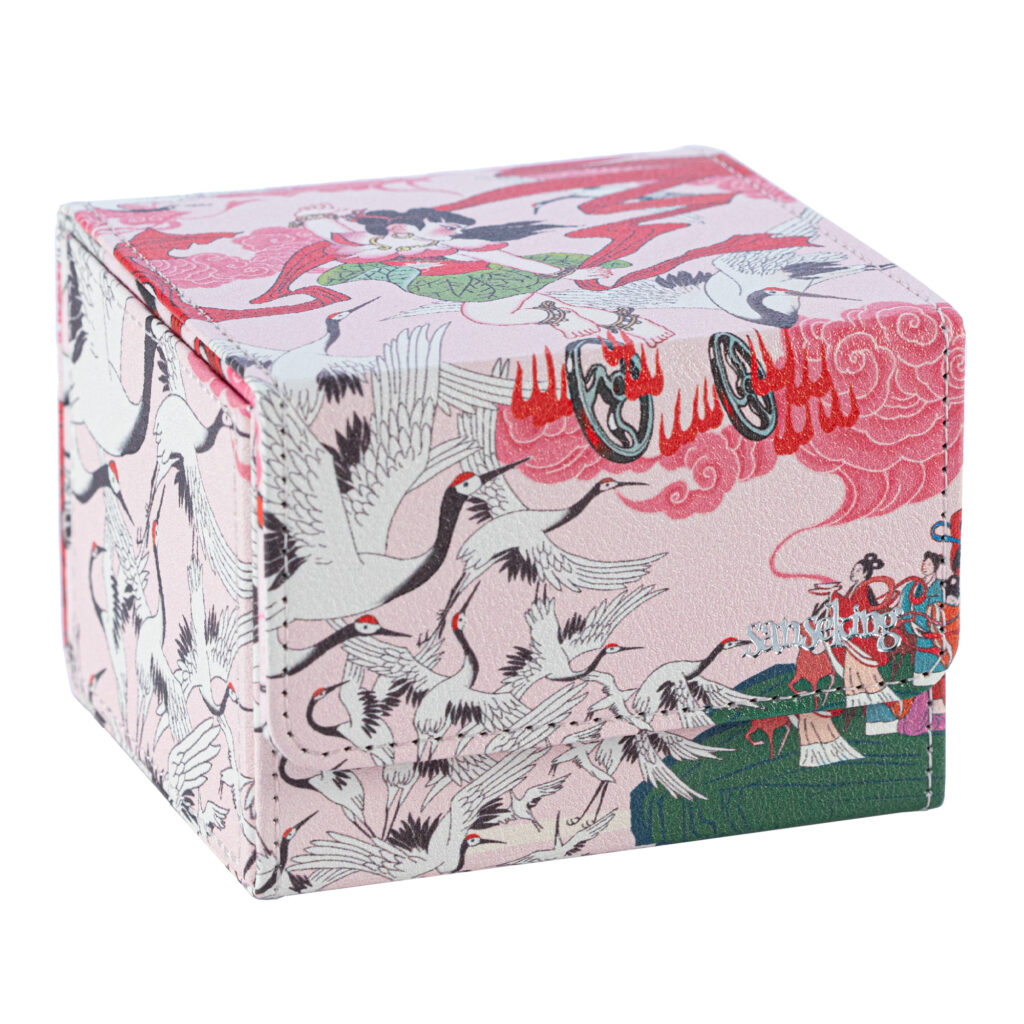
Before modern Chinese animation existed, visual storytelling lived in lianhuanhua—illustrated storybooks once read by generations across cities and villages.
These books were affordable, widely circulated, and serious in tone. They were not created simply to entertain children, but to explain the world: what is right, what is wrong, and what it costs to stand against the latter.
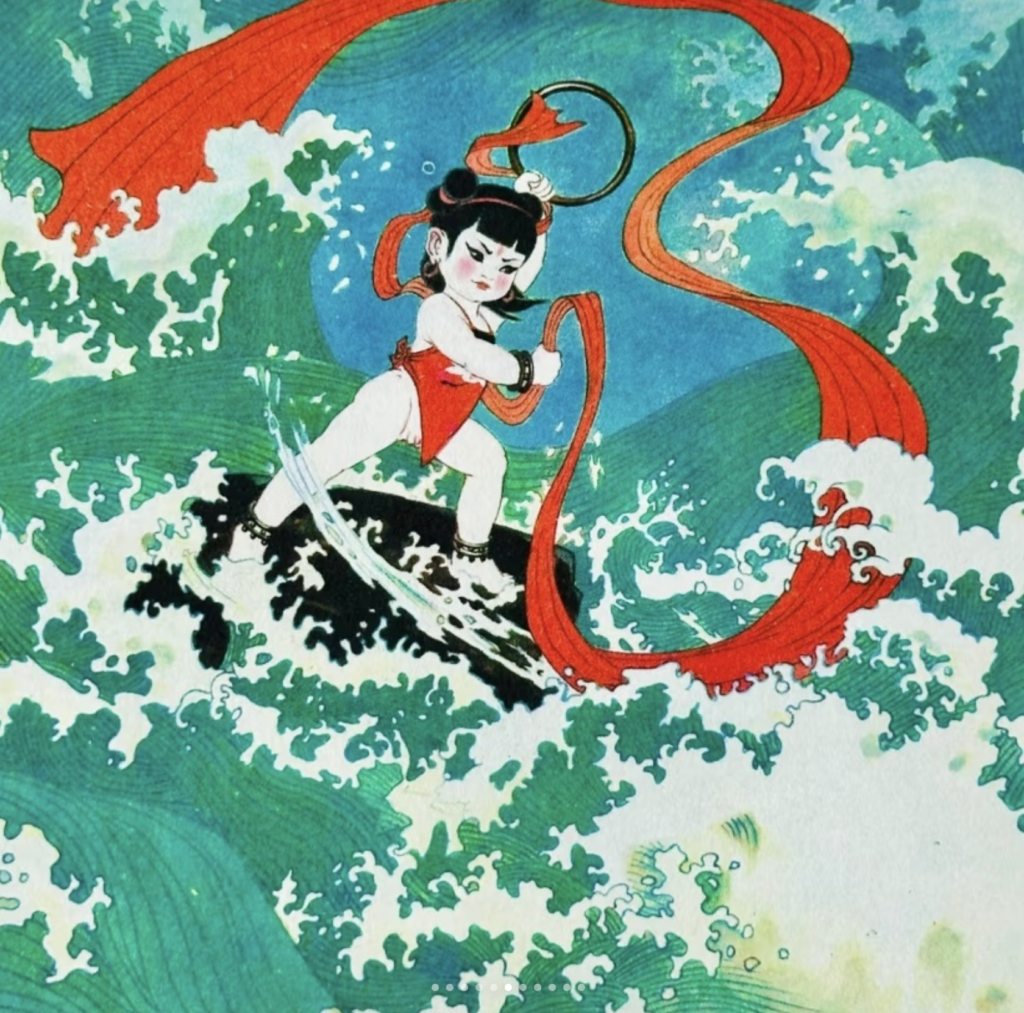
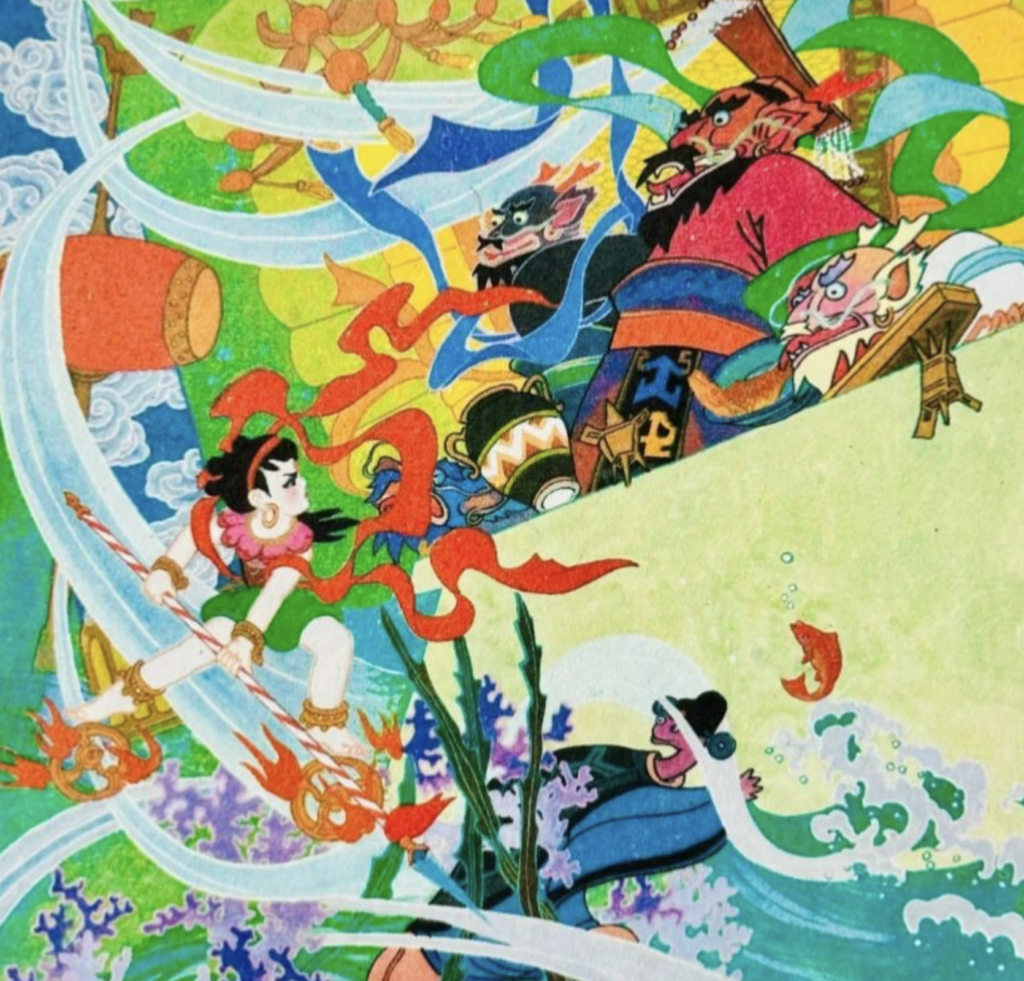
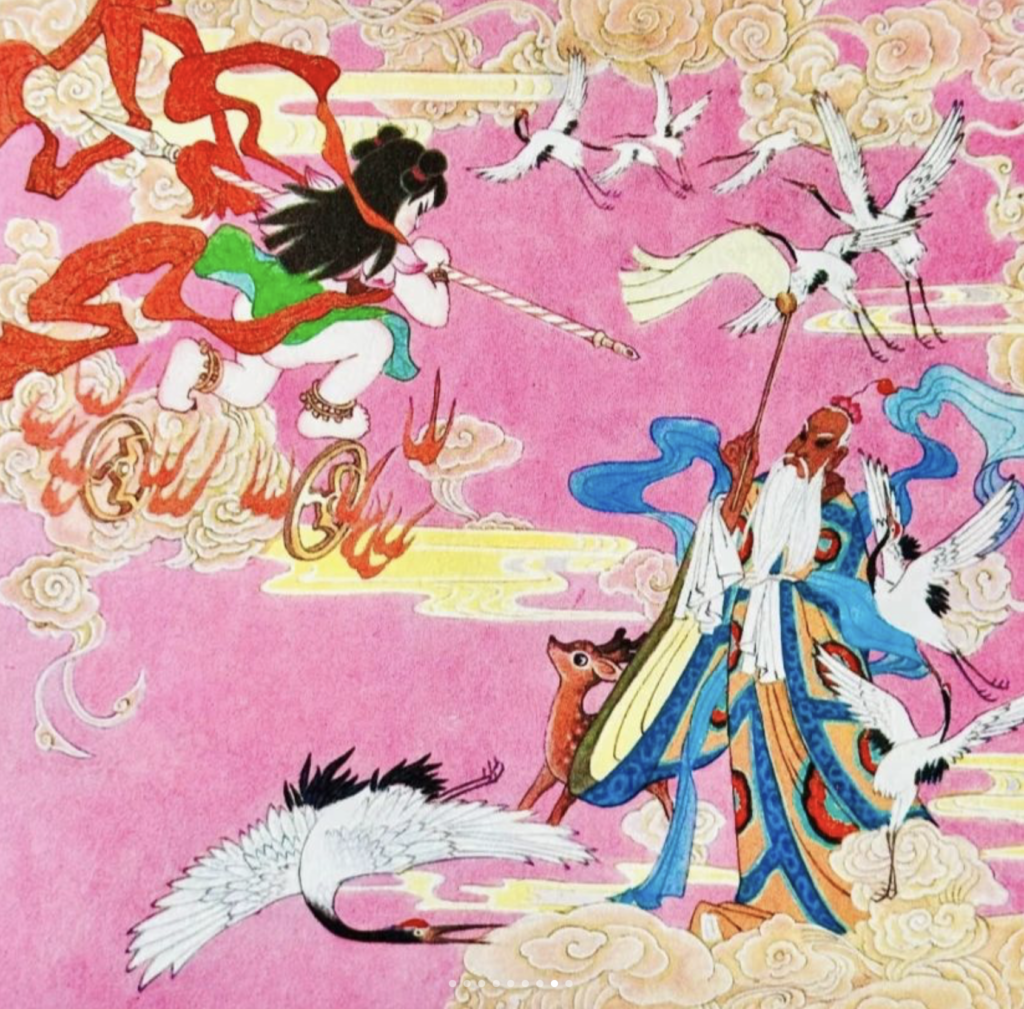
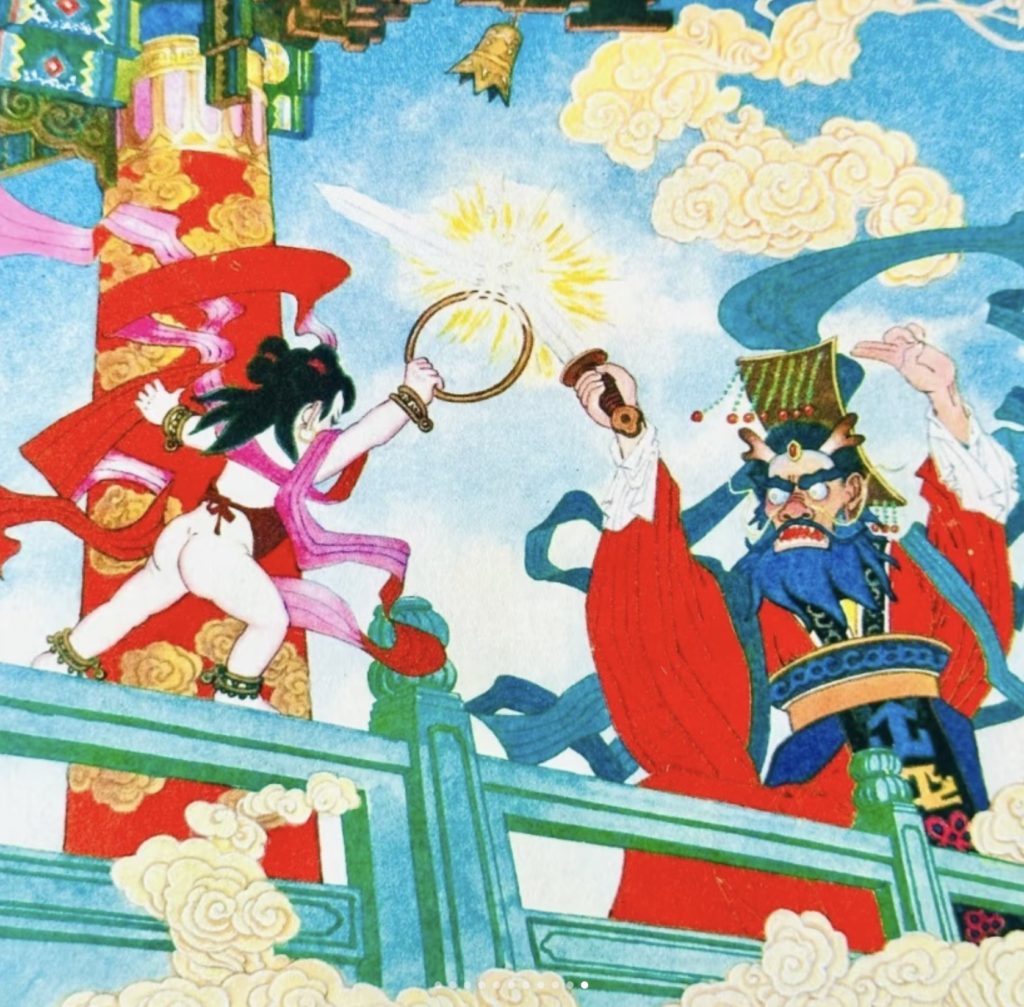
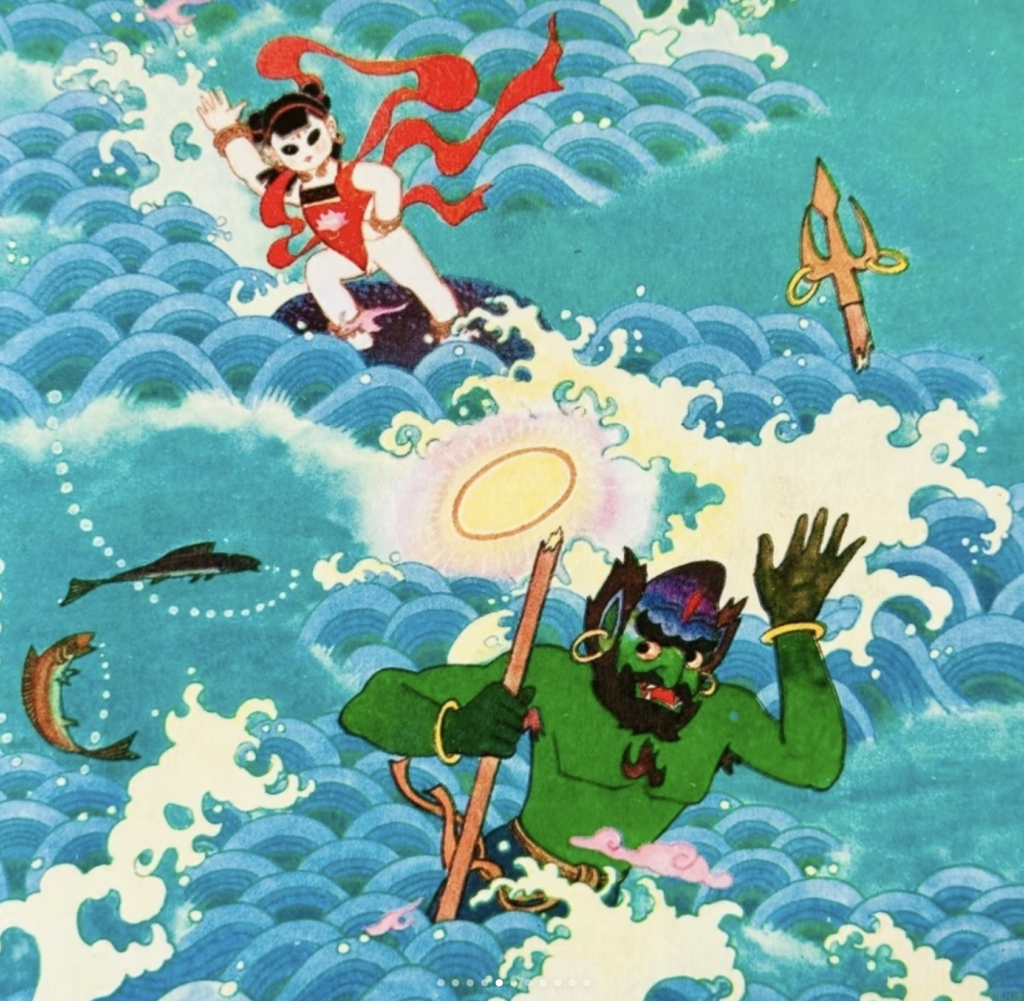
The Nezha Conquers the Sea edition published by Liaoning Fine Arts Publishing House remains one of the most respected visual interpretations of this story.
Its imagery is direct and physical:
Nothing in these illustrations attempts to soften the conflict.
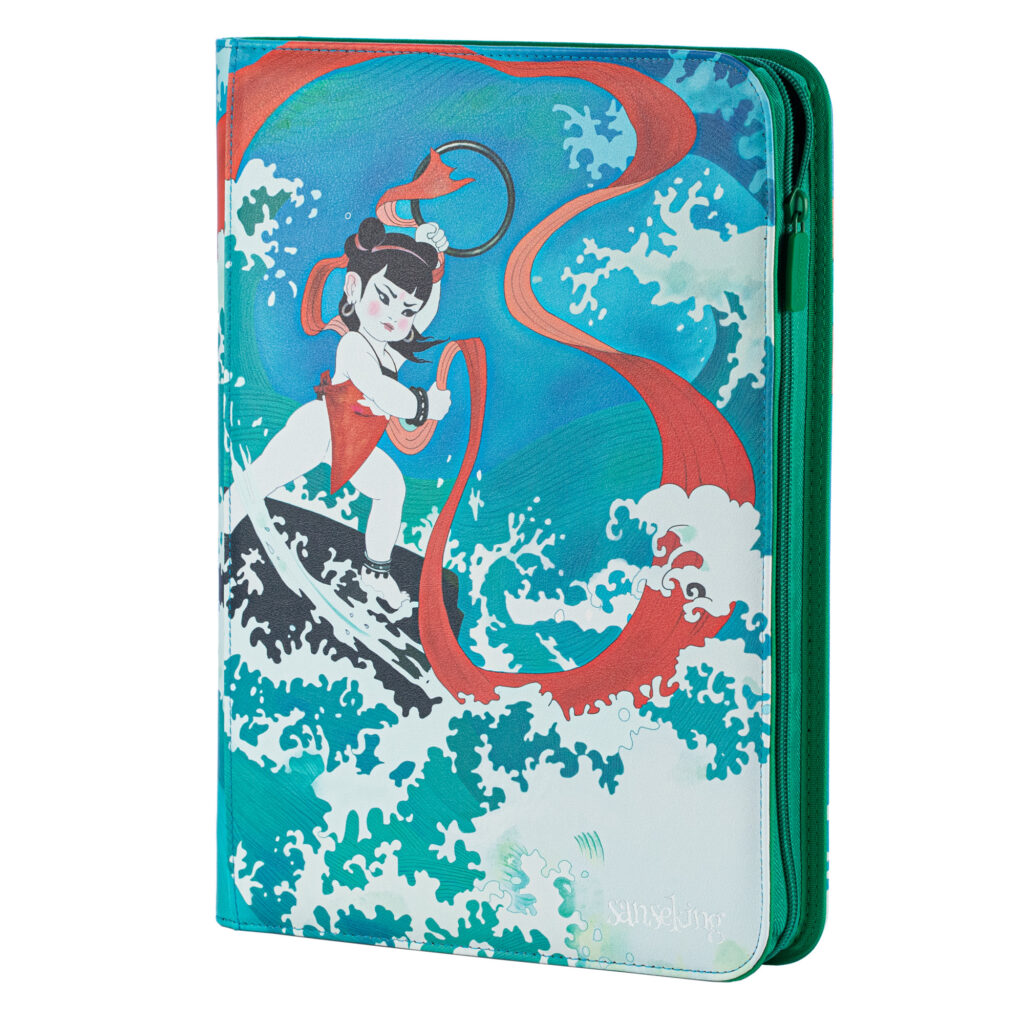
SANSEKING did not approach this collaboration to redesign Nezha.
We chose it precisely because it did not need improvement.
As a collectible and cultural merchandise brand rooted in China, SANSEKING has always worked at the intersection of popular culture and historical continuity. Our focus has never been on fast reinterpretation, but on long-term relevance.
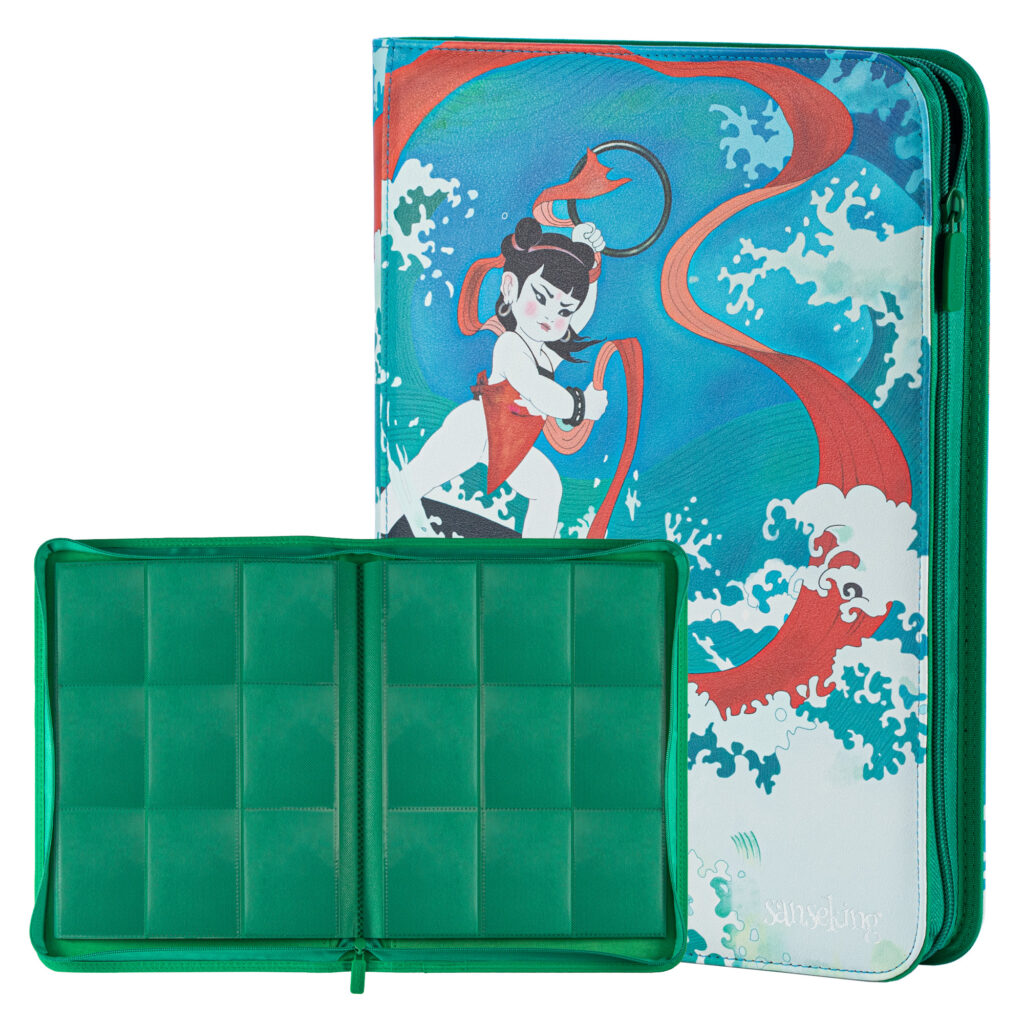
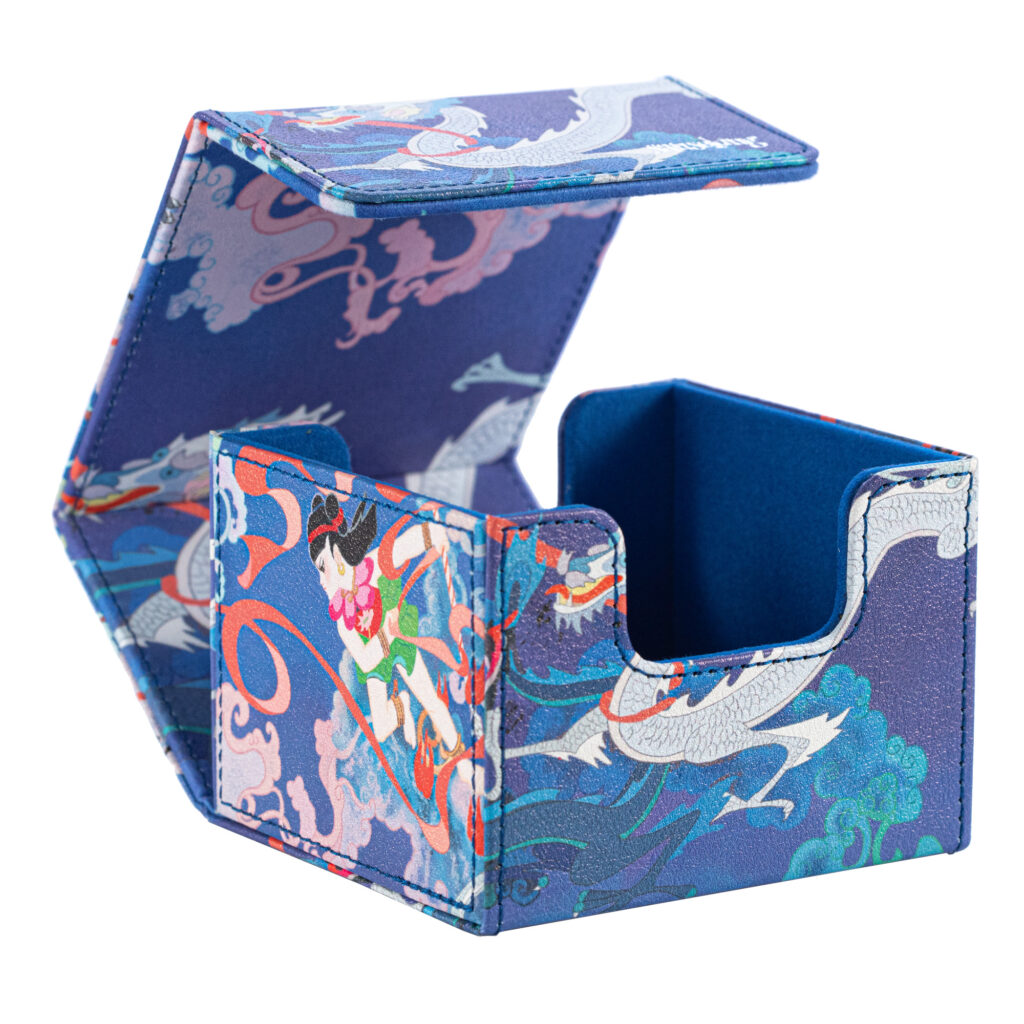
Working with Liaoning Fine Arts Publishing House allowed us to return to a visual language that quietly shaped Chinese popular culture long before global attention arrived.
Transforming this work into a TCG-inspired format was not about gamification.
It was about structure—allowing a traditional visual narrative to be experienced through a new, but respectful, medium.
Promoting Chinese mythology does not mean making it louder, brighter, or simpler.
It means allowing complexity to remain.
It means letting global audiences encounter Chinese stories not as symbols, but as experiences shaped by history, ethics, and conflict.
SANSEKING’s influence does not come from scale alone, but from consistency—choosing projects that can still stand decades later, long after trends have passed.
We believe collectibles can do more than decorate shelves.
They can carry memory.
This release is not an explanation of China to the world.
It is simply an open door.
For those willing to slow down, Nezha Conquers the Sea offers something rare:
a hero who does not escape consequence, and a story that refuses to be simplified.
SANSEKING exists to make space for stories like this—stories that shaped Chinese visual culture, and still have something to say beyond borders.